Inside Gold Rush: White Water Season 8’s Most Dangerous Alaska Gamble Yet
Inside Gold Rush: White Water Season 8’s Most Dangerous Alaska Gamble Yet
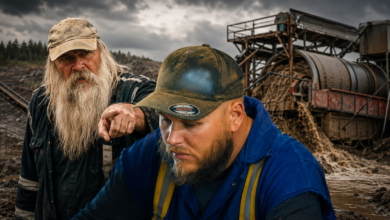
Gold Rush: White Water has always separated itself from the wider franchise by placing miners where ordinary heavy equipment cannot easily reach. Instead of broad cuts, fleets of rock trucks, and large wash plants, the series follows crews into narrow creeks and steep terrain where water, rock, and gravity can turn one mistake into an emergency. Season 8 was introduced as an escalation of that formula, with Dustin Hurt leading his team into a remote Alaska location he described as the most dangerous place they had ever worked.
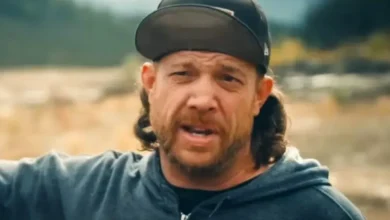
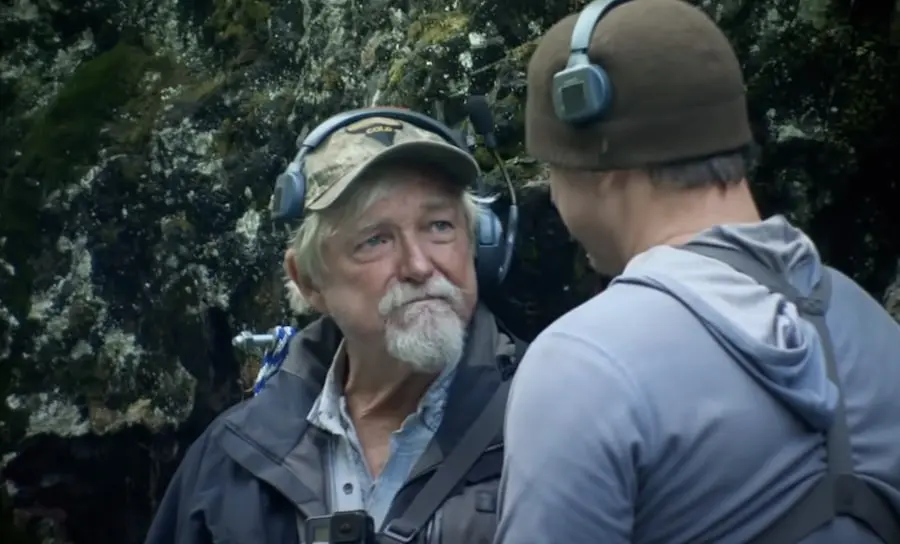
The preview presented a leader who was no longer willing to soften his expectations. Dustin said he was there to hit a jackpot and warned that anyone who crossed him could be cut loose. He also told the crew that he could not promise to keep everyone safe. Those statements established the central tension of the season: a high-value target may justify extraordinary effort, but the team must decide how much risk it is prepared to accept.
At the same time, the footage included a quiet moment between Dustin and his young daughter. That contrast gave the season more than a survival premise. The man demanding commitment from his crew was also shown as a father with a reason to return home. The new episodes therefore appeared ready to examine not only whether the miners could reach gold, but how Dustin would balance ambition, authority, and responsibility.

Dustin Hurt Steps Fully Into the Leadership Role
The legacy of the late Dakota Fred Hurt remains inseparable from White Water. His approach helped define the spinoff’s identity, and his willingness to pursue gold in places others avoided became part of the show’s mythology. Season 8, however, was framed as Dustin’s opportunity to make the operation unmistakably his own.



That shift does not require Dustin to reject his father’s influence. It requires him to make decisions without relying on Fred as the final authority. Every crew dispute, safety call, and change of plan now rests more visibly on Dustin. The preview’s forceful language suggested that he understood the burden and intended to establish a clear chain of command.
Leadership in this environment is different from ordinary workplace management. The crew may be suspended above rushing water, moving boulders in confined areas, or diving where visibility and access are limited. Instructions cannot remain open to interpretation. If one person ignores a procedure, the consequences can affect everyone connected to the system.
Dustin’s warning that he would cut loose anyone who crossed him can therefore be read in two ways. It sounds confrontational, which makes effective television. It can also reflect the need for discipline when the work leaves little margin for individual improvisation. Season 8’s success would depend on whether he could enforce standards without breaking the trust that makes dangerous teamwork possible.
What “The Most Dangerous Place” Means for the Crew
The supplied preview did not reduce the Alaska location to a scenic backdrop. It presented the wilderness as an active obstacle. Remote terrain complicates access, communication, evacuation, equipment movement, and repair. A problem that would be inconvenient near a road can become critical when the crew is separated from immediate support.
Fast water creates continuous force against ropes, hoses, people, and machinery. Rock walls can restrict escape routes. Falling material can alter the working area without warning. Cold conditions increase physical strain and can make even basic tasks harder. The miners are not merely searching for gold in nature; they are building a temporary industrial system inside an environment that resists control.
Dustin’s statement that he could not promise everyone’s safety was dramatic, but it also acknowledged reality. No leader can remove all danger from this type of mining. What leadership can do is identify hazards, establish procedures, stop work when conditions change, and ensure that the potential reward does not silence reasonable objections.
The season’s suspense would therefore come from more than whether a dive produced gold. Viewers would watch how the team evaluated risk, whether members challenged Dustin’s decisions, and what happened when the mine plan collided with the physical limits of the site.
The Returning Crew and the Value of Experience
Dustin was not entering the new season with an entirely unfamiliar group. Carlos Minor, James Hamm, Wes Richardson, Paul Richardson, and Danielle Miller were identified as returning members. Their experience matters because technical skill is only part of what the operation requires.
A crew working in confined, dangerous conditions develops shared language and habits. Members learn how one another react under pressure, who notices changes in the water, who can diagnose equipment problems, and when a routine task is beginning to become unsafe. That familiarity can shorten decision time when conditions deteriorate.
Returning workers also understand Dustin’s temperament. They know how directly he communicates and how he responds when production stalls. That knowledge may reduce misunderstandings, but it does not guarantee harmony. A more forceful leadership style can test even established relationships, particularly when the crew believes a target is not worth the danger.
The preview’s ultimatum therefore raised a practical question: would experienced members accept Dustin’s authority because they trusted his judgment, or would his determination create fractures at the worst possible moment?
The Jackpot Mentality
Dustin’s declaration that he was there to hit a jackpot summarized the financial logic behind the season. White-water mining is resource-intensive. Equipment must be transported and secured, divers need support, and every delay consumes a limited operating window. Small recoveries may create exciting television without making the operation economically worthwhile.
A “jackpot” means locating a concentration of gold large enough to justify the difficulty of reaching it. The crew is not simply chasing isolated flakes. It is searching for a deposit that validates the location, the risk, and the time invested.
That goal can sharpen planning. It can also create escalation pressure. After spending heavily to reach a site, leaders may feel compelled to continue because stopping would make the previous effort look wasted. The rational question is not how much has already been spent, but whether the next stage of work has a reasonable chance of producing value without exposing the crew to unacceptable danger.
Season 8’s strongest conflict may therefore be internal. Dustin must know when persistence is courage and when it becomes refusal to accept evidence. The team must know when resistance protects the operation and when it simply prevents progress.
A Daughter’s Embrace Changes the Preview
The brief family moment in the promotional footage served an important purpose. Dustin’s tough language could have presented him only as an aggressive boss chasing gold. Showing him embrace his daughter reminded viewers that his decisions exist outside the mine.
The contrast does not automatically justify the risks he takes. It gives those risks personal context. Providing for family, building a legacy, and proving that years of work can succeed may all motivate him. Yet having a family also creates a reason to reject unnecessary danger.
That contradiction is central to many adventure professions. The same commitment that pushes someone to pursue a difficult goal can conflict with the obligation to return safely. White Water makes the conflict visible because cameras follow miners into locations where the danger cannot be disguised as routine.
Season 8 appeared prepared to use Dustin’s family connection not as sentimental decoration but as a measure of what the operation costs him emotionally.
When Season 8 Was Scheduled to Premiere
The supplied announcement placed the Season 8 premiere on Friday, April 25, at 8 p.m. Eastern on Discovery Channel. It also stated that episodes would become available on Discovery+ and Max the following day.
That schedule positioned White Water to begin one week after the conclusion of Gold Rush Season 15. For franchise viewers, the timing created continuity: the large-scale mining season could end, and the more confined, high-risk spinoff could immediately take its place.
Broadcast and streaming availability also served different viewing habits. The Discovery premiere offered the traditional weekly event, while next-day streaming allowed viewers to follow the season without watching at the scheduled hour.
How White Water Differs From the Main Series
The main Gold Rush series often turns on scale. Crews move enormous amounts of earth, invest in plants, and track progress through seasonal ounce totals. White Water compresses the challenge into smaller physical spaces where access can matter more than volume.
That difference changes the visual language of the show. A broad mine lets viewers see a production system from a distance. A white-water site places cameras close to ropes, rock faces, turbulent water, and divers. The audience experiences the operation through proximity rather than scale.
It also changes the meaning of a breakdown. On a conventional claim, a machine failure may stop a line of trucks. In a remote creek, damaged equipment can trap the crew on the wrong side of a hazard or remove a key layer of protection. Repair is not simply about restoring production; it may be necessary before people can move safely.
The Safety Question the Season Cannot Avoid
Dustin’s warning about safety was one of the most striking elements in the preview. It should not be interpreted as proof that the crew abandoned safety standards. It was an acknowledgment that standards reduce risk rather than erase it.
The meaningful question is how decisions are made when conditions change. Does the crew stop when water rises? Can a member challenge the plan without being treated as disloyal? Are divers able to refuse an entry they consider unsafe? Does pressure to find a jackpot distort judgment?
A strict leader can improve safety by eliminating ambiguity. The same leader can undermine it if workers become afraid to report problems. Dustin’s challenge is to create discipline without creating silence.
The returning crew’s willingness to follow him suggests experience and trust, but viewers would need to see how that trust performs under real stress. Promotional footage can promise danger. The episodes must show the process behind managing it.
Why Conflict Is Almost Guaranteed
Remote mining forces people to live and work close together while tired, cold, and financially pressured. Small disagreements can expand because the crew cannot easily leave the environment. A dispute about a rope, pump, dive, or boulder may also carry genuine safety consequences.
Dustin’s statement that anyone not aligned with the plan could leave made the command structure clear before the season began. It also invited conflict because experienced workers may have their own assessment of the site. The best crews do not eliminate disagreement; they create a way to resolve it before action becomes dangerous.
Season 8’s drama would be most credible when conflict emerged from real tradeoffs. A miner may want more time to secure a work area while Dustin sees the delay consuming the season. A diver may believe the current is too strong while the team knows weather could close the site soon. Neither side has to be irrational for the confrontation to become intense.
Could Season 8 Be the Final Chapter?
The supplied report stated that Discovery had not firmly confirmed Season 8 as the final season. That means any claim that the series was definitely ending would have gone beyond the available evidence.
Uncertainty was understandable because television networks regularly adjust unscripted lineups, and rugged outdoor series can face high production demands. The report mentioned other programs that had disappeared quietly, but the broader Gold Rush franchise remained established on Discovery.
The accurate position at the time was therefore cautious: the series could continue, but continuation had not been guaranteed in the information provided. Cast statements or a network announcement would be required to establish a final decision.
What Season 8 Needed to Deliver
For the new season to justify its promise, it needed more than spectacular danger. The operation had to have a coherent target, and the crew’s choices had to show how professional miners respond to a site that challenges their methods.
The season also needed to develop Dustin’s leadership beyond tough quotes. Viewers already knew he was determined. The more important question was whether he could adapt when his original plan failed, listen without losing authority, and protect a team he was asking to accept extraordinary risk.
Finally, the gold had to matter. The show’s human relationships and dangerous setting create drama, but the operation exists because the crew believes a meaningful deposit is present. Without evidence that the target could repay the effort, the danger would become spectacle rather than mining.
A Season Defined by Control—and Its Limits
Everything in the Season 8 preview pointed toward control. Dustin wanted control of the crew, the plan, and the route to a jackpot. The Alaska wilderness represented the opposite: water and rock that would not obey a production schedule.
That conflict gave the season a clear identity. Dustin could prepare, issue orders, and remove people who refused to follow them. He could not guarantee stable ground or predictable water. His leadership would be tested not when the plan worked, but when the environment made the plan impossible.
The return of Carlos, James, Wes, Paul, and Danielle provided the experience needed to meet that test. The family moment supplied the personal stakes. The announced April 25 premiere supplied the starting point.
Season 8 was therefore positioned as more than another search for gold. It was a study of how far a crew would follow a determined leader into a place none of them could fully control—and whether the promised jackpot would be enough to bring everyone back out.