Rick Ness’ Changed Appearance Sparks New Rumors—Here’s What He Has Never Confirmed
Rick Ness’ Changed Appearance Sparks New Rumors—Here’s What He Has Never Confirmed
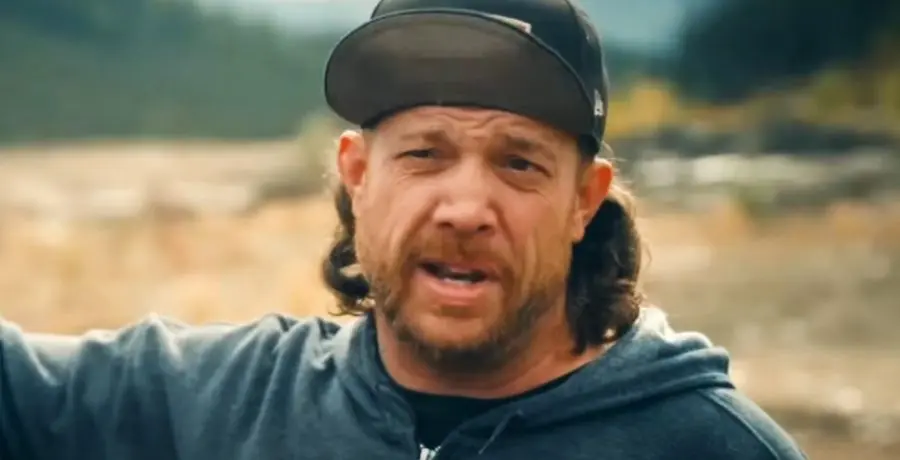
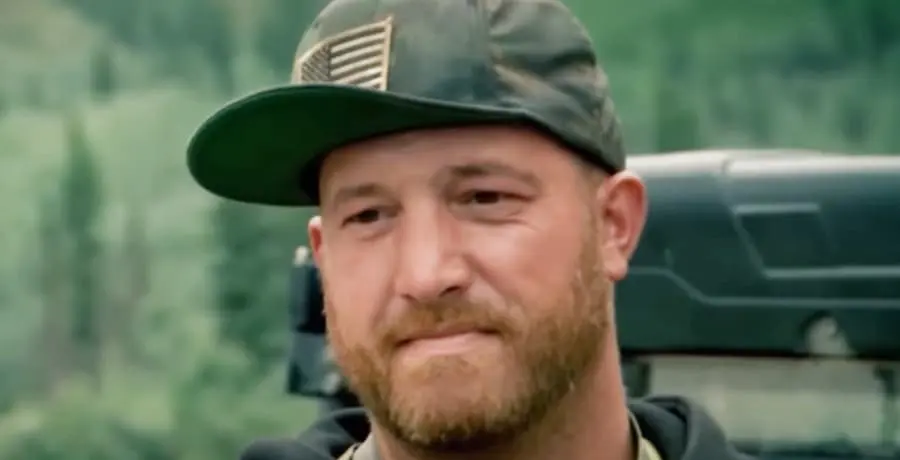
Rick Ness returned to Gold Rush after a difficult period away, and viewers immediately noticed changes in his appearance. Much of the discussion focused on his nose.
Online speculation moved quickly. Some people suggested an injury on the mining site. Others assumed cosmetic surgery. A more serious rumor linked the change to past substance use.
The most important fact is also the least dramatic: Rick has not publicly confirmed what caused the change.
That means any specific diagnosis or explanation remains speculation.



Why Viewers Feel Invested in Rick’s Appearance
Fans have watched Rick for years. He did not enter the series as a fully established mine boss. Viewers saw him join Parker Schnabel’s crew, learn the operation, become a trusted foreman, and eventually leave to run his own mine.
That long history creates familiarity. When someone’s appearance changes after an absence, regular viewers notice details that a new audience might miss.
Concern can be genuine, especially because Rick has discussed personal struggles. However, familiarity does not give viewers access to his medical history.
Rick’s Path Before Gold Mining
Rick is from Michigan, and his father worked in construction.
Before mining, Rick pursued football. A head injury ended that path, and he later entered music.
His route into gold mining began when Parker hired him during Season 3. Rick adapted to heavy equipment and remote operations, eventually becoming one of the show’s recognizable figures.
By Season 9, he was leading an independent crew.
The Hiatus Changed How Fans Viewed His Return
Rick stepped away from the show for a period before returning.
Because the absence coincided with personal difficulties, viewers examined his appearance for clues about what had happened.
This is a common pattern around public figures. When information is incomplete, visible change becomes evidence in stories the audience constructs.
The problem is that appearance alone cannot establish cause.
The Injury Theory
Some fans speculated that Rick injured his nose during filming or while working around heavy equipment.
Mining sites contain real hazards, and Rick has worked around trucks, excavators, wash plants, and rough terrain. The theory therefore sounds plausible.
Plausibility is not confirmation. The supplied report states that there is no concrete evidence of a filming injury connected to the change.
Without a statement from Rick, a medical source, or a documented incident, the injury explanation remains unverified.
The Cosmetic-Surgery Theory
Another rumor claims Rick underwent cosmetic surgery.
This theory also relies entirely on visual comparison. People assume that a different shape must result from an intentional procedure.
The source article notes that no concrete evidence confirms surgery.
Even if Rick had received a medical or cosmetic procedure, the details would remain private unless he chose to discuss them.
The Substance-Use Theory Requires Extra Caution
Rick has been open about past drug use. That disclosure led some viewers to connect his nose to substances such as cocaine.
Medical experts have explained generally that repeated cocaine use can damage nasal tissue by restricting blood flow. Severe damage can affect the septum and structure.
That general medical fact does not prove what happened to Rick.
Applying a known medical effect to a specific person without diagnosis or confirmation is an inference. It should not be presented as established truth.
What Rick Has and Has Not Said
Rick has publicly acknowledged past substance use.
He has not confirmed that drug use caused the visible change in his nose.
He has not confirmed a mining injury as the cause.
He has not confirmed cosmetic surgery as the cause.
Those boundaries should control any responsible summary of the story.
Why General Medical Information Can Mislead
When a doctor explains that a substance can damage nasal tissue, readers may interpret “can” as “did.”
Medical possibilities are broad. Similar visible changes may have different causes, including injury, infection, prior procedures, weight change, lighting, aging, camera angles, or conditions not known to the public.
A remote visual judgment cannot distinguish among those possibilities.
Aging and Weight Fluctuation
The source report notes that aging and weight changes could also influence appearance.
Faces change as body weight shifts. Lighting, facial hair, camera lenses, expression, and makeup can alter how those changes appear on television.
These explanations are also unconfirmed. Their value is not that they solve the mystery. They demonstrate why one visual difference cannot support a single confident conclusion.
Concern Does Not Require Diagnosis
Fans can express concern for Rick without claiming to know his condition.
One supportive commenter said that everyone falls down sometimes and expressed relief that Rick got back up.
That response focuses on recovery and humanity rather than turning appearance into a medical verdict.
It is possible to recognize that someone looks different and stop before assigning a cause.
Why the Rumors Became So Aggressive
Reality television encourages viewers to discuss cast members as though they know them personally.
Rick’s absence, return, and public struggles created an incomplete narrative. The changed appearance became a symbol onto which people projected explanations.
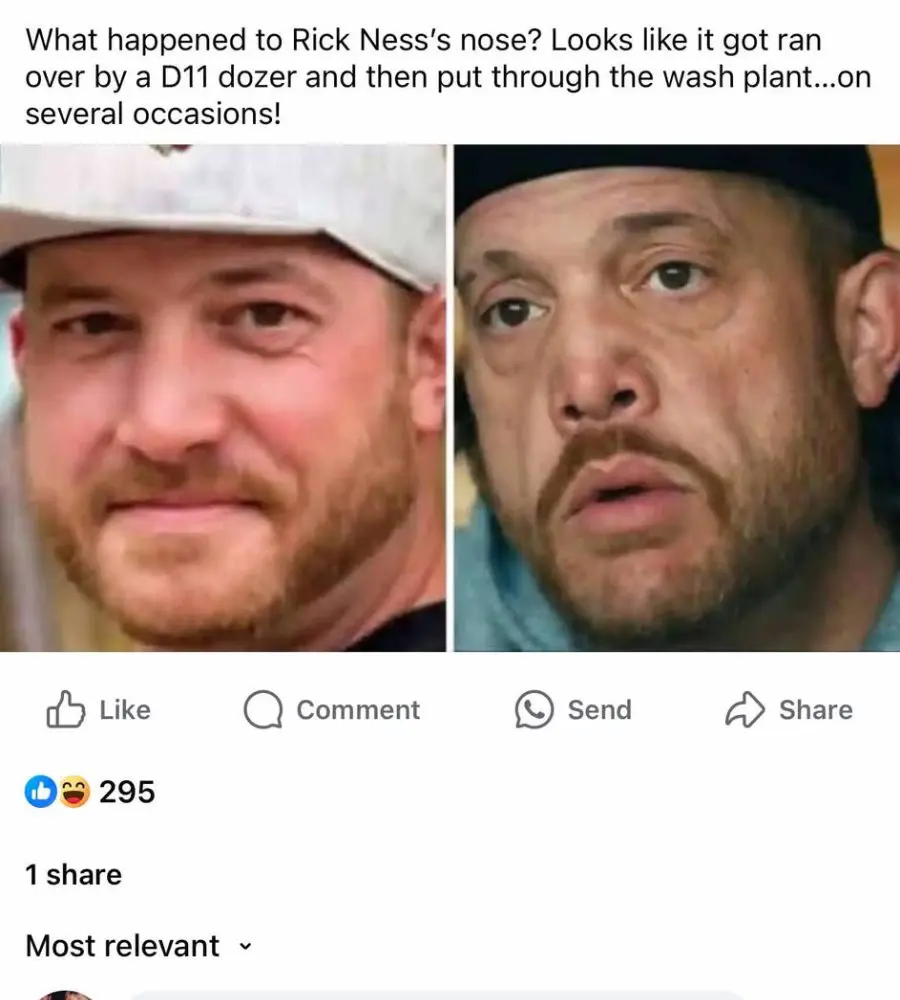
Some comments used concern. Others used ridicule, comparing his nose to mining machinery and wash-plant damage.
Mockery can hide behind speculation, but it still treats a person’s body as entertainment.
The Difference Between Reporting and Repeating
A responsible report can state that viewers noticed a change and that multiple theories circulate.
It must also state that no cause has been confirmed.
An irresponsible retelling selects the most sensational theory and presents it as fact.
The difference may be one sentence, but that sentence protects accuracy and prevents rumor from becoming a false biography.
Rick’s Career Is More Than One Physical Detail
Focusing narrowly on Rick’s nose can obscure the larger story of his return.
He moved from Parker’s crew to independent mining, experienced serious setbacks, left the show, and later rebuilt Team Rally.
Season 15 ended with a final cleanup of 410.79 ounces and a reported season value of approximately $4.5 million. Rick also awarded his crew a $50,000 bonus.
Those developments say more about his current professional life than unverified speculation about his appearance.
The Public-Interest Argument Is Weak
Rick’s mining performance, statements on the show, and decisions as a boss are legitimate subjects for public discussion because he presents them through television.
The private medical cause of a facial change is different.
Unless it directly affects safety, production, or a claim he has chosen to make, the audience has no automatic right to an explanation.
What Evidence Would Be Needed for a Firm Answer?
A confirmed explanation would require a direct statement from Rick or reliable reporting based on medical information he authorized for release.
Photos, fan comments, and general medical articles cannot establish the cause.
Even a person with relevant clinical expertise should not diagnose someone from television footage alone.
Why “He Looks Sick” Is Not a Medical Finding
Some fans said Rick looked unwell.
Such observations may come from concern, but they are subjective. Fatigue, stress, weight change, lighting, and many other factors can influence how healthy someone appears on camera.
A visual impression should not be converted into a specific health claim.
Rick’s Openness Does Not Eliminate His Privacy
Because Rick has spoken about drug use and personal struggles, some viewers believe every later physical change is open for analysis.
Voluntary disclosure is not unlimited permission.
A person can discuss one part of recovery while keeping medical details private. Rick’s honesty about the past does not authorize others to assign causes he has never endorsed.
The Most Honest Answer
What happened to Rick Ness’ nose?
Publicly available information in the supplied report does not provide a confirmed answer.
An injury has been suggested but not proven. Cosmetic surgery has been suggested but not proven. Past substance use has been discussed, and some substances can damage nasal tissue, but Rick has not confirmed that connection.
Aging, weight fluctuation, and other factors could also affect appearance, but those remain possibilities rather than findings.
How Fans Can Discuss the Topic Responsibly
The safest language preserves uncertainty.
It is accurate to say viewers noticed a change.
It is accurate to say several theories circulate.
It is accurate to say Rick has discussed past drug use.
It is not accurate to declare a medical cause without confirmation.
The Story Should End Where the Evidence Ends
Online speculation often continues until someone produces the most dramatic answer. Responsible reporting stops earlier.
Rick’s nose appears different to many viewers. The cause has not been publicly established. That may feel incomplete, but incompleteness is not a reason to replace missing evidence with rumor.
Rick remains a miner, television personality, and crew leader whose career has included failure, recovery, and another productive season. His health history belongs to him unless he decides to explain it.
The truthful answer is not hidden inside the loudest fan theory. It is contained in the limit of what Rick has actually confirmed.
Why Comparing Screenshots Is Unreliable
Many rumor posts place an older image beside a newer one and present the difference as proof. The comparison may use different lenses, angles, facial expressions, lighting, compression, and body weight.
Television footage also passes through color correction and editing. Social-media images may be filtered, sharpened, or compressed again when reposted. A genuine physical change can exist while the images exaggerate its size or shape.
Side-by-side pictures can document that viewers perceive a difference. They cannot identify the medical cause.
The Harm of Turning Recovery Into Spectacle
Rick’s history makes the speculation more sensitive. When a person has discussed substance use or mental-health struggles, audiences may treat every later image as evidence of relapse or permanent damage.
That approach reduces recovery to appearance. It ignores work, behavior, relationships, and the person’s own account. Someone may be doing better while looking tired, heavier, thinner, older, or simply different from an earlier season.
Public ridicule can also discourage honesty. If every disclosure becomes material for years of diagnosis and mockery, other people may decide that speaking openly is too costly.
Medical Possibility Is Not Individual Proof
The general explanation about cocaine and nasal tissue is medically relevant only as background. It establishes that such damage can occur in some people. It does not establish that it occurred in Rick, when it might have occurred, or whether it explains the visible change.
A proper diagnosis would require history, examination, and possibly testing. None of that can be performed by viewers watching a reality show.
The responsible wording is therefore conditional: past drug use is one theory discussed online, but Rick has never confirmed it as the cause.
Why Rick May Choose Never to Answer
Public figures sometimes address rumors to stop speculation. They are not obligated to do so.
Rick may consider the cause private, medically complicated, embarrassing, irrelevant to the show, or simply not worth discussing. Silence does not confirm any theory. It confirms only that he has not offered an explanation.
Fans may continue asking, but the absence of an answer does not transfer ownership of the question to the public.
A Better Focus for Concerned Viewers
People who care about Rick can focus on information he has chosen to share: his return to work, the stability of Team Rally, the way he treats his crew, and whether he appears able to meet his responsibilities safely.
Those observations remain imperfect, but they relate directly to his public role. They avoid inventing a diagnosis based on one feature of his face.
The Final Fact-Check
- Confirmed: viewers noticed a change in Rick’s nose and appearance.
- Confirmed: Rick has discussed past drug use.
- Not confirmed: a mining accident caused the change.
- Not confirmed: cosmetic surgery caused the change.
- Not confirmed: cocaine damage caused the change.
- Unknown: the actual medical or personal explanation.
That list may be less satisfying than a dramatic answer, but it is the only conclusion that matches the available evidence.
Until Rick chooses to explain it, any stronger claim exceeds the evidence and turns private uncertainty into public fiction.
Respecting that limit is not avoidance. It is the difference between careful reporting and diagnosing a stranger from edited television images.