Todd Hoffman’s Yukon Mine Clues Reveal a Bigger Plan Behind the Comeback Rumors
Todd Hoffman’s Yukon Mine Clues Reveal a Bigger Plan Behind the Comeback Rumors
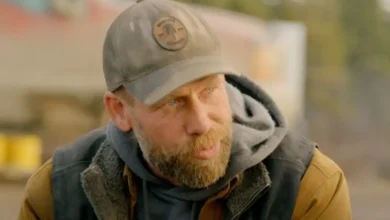
Todd Hoffman knows how to make Gold Rush viewers pay attention without giving them a complete answer. One post announces that he bought a gold mine in the Yukon. Another shows a flight over a large stretch of land. Then he appears shopping for a bulldozer with business partners and later reunites with members of his former mining crew. Each update can be explained as part of a private mining venture. Taken together, they look like the early stages of a project designed to be seen.
That distinction is driving the latest comeback rumor. Todd has not publicly confirmed in the supplied material that he is returning to Gold Rush, launching a different series, or filming a new season of an existing Hoffman program. Fans are building the theory from his actions. The theory is plausible because the actions form a recognizable production sequence: secure ground, assemble financing, evaluate equipment, reconnect the crew, and create public interest.
The available evidence supports one strong conclusion and several weaker ones. Todd appears serious about mining again. He has said he purchased Yukon property and intends to acquire another mine. He has shown possible ground and discussed machinery. What remains unknown is how the venture is funded, whether mining has begun, who will work there, and whether cameras are part of the business plan.
The Mine Purchase That Restarted the Conversation
Todd’s statement that he had bought a gold mine in the Yukon immediately revived questions about his future. Property acquisition is more consequential than a nostalgic crew photograph or a general comment about missing the industry. It commits the project to a place and creates a reason to begin technical evaluation.
He also said he planned to buy another mine. That detail made the update sound less like a one-time personal experiment and more like a broader strategy. Multiple properties can provide alternatives if one site proves difficult, but they also require more capital, testing, permits, equipment planning, and management.



Viewers understandably asked how Todd could afford the purchases. The supplied account did not identify a purchase price or financing structure. Some fans speculated that investors were involved. That is possible, particularly because Todd has worked with outside backers before, but it is not confirmed by the posts described.
An investor-supported mine would have different pressures from a project funded entirely with personal money. Backers may expect production targets, financial reporting, ownership rights, or media exposure. A television agreement could provide another revenue stream, but it could also introduce deadlines and production demands before the mine is fully understood.
Why Yukon Ground Does Not Automatically Mean Yukon Gold
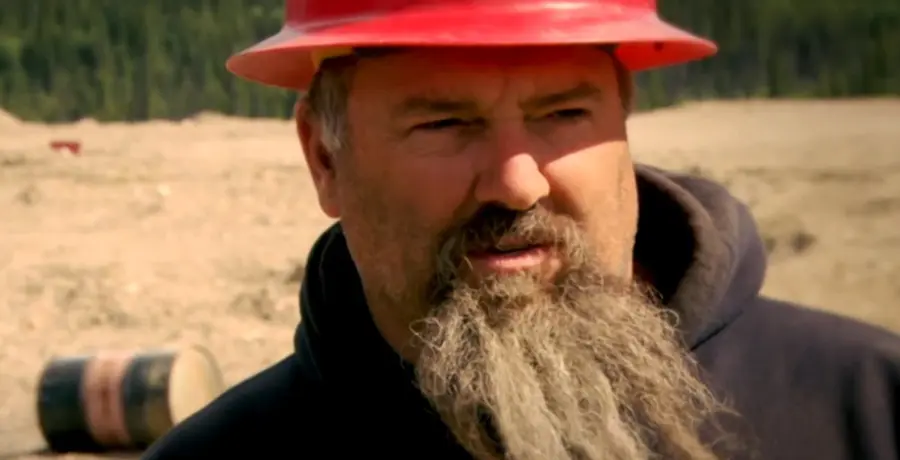
Buying a mine or claim does not establish that the property will support profitable production. The ground must be tested, access must be evaluated, and the team must understand how much material lies above the pay layer. Water, fuel, roads, camp logistics, and the length of the operating season can determine whether visible gold becomes a viable business.
Todd’s history makes this point especially important. His teams have often been defined by ambitious goals and emotional commitment. Fans who support him admire the willingness to take large risks. Critics remember seasons in which confidence exceeded the information available from the ground.
A disciplined return would therefore begin with evidence rather than declarations. Drill results, bulk samples, test runs, and realistic cost estimates would matter more than the visual size of the property. A large landscape can create an impressive video while revealing very little about recoverable gold.
The possibility of buying a second mine could be a sign of opportunity or a sign that the first property remains uncertain. Without details, neither interpretation should be presented as fact.
The Aerial Footage Raised the Stakes
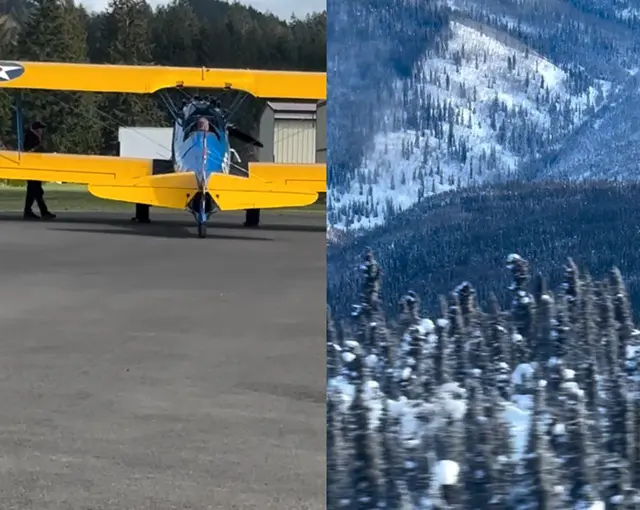
Todd later shared a clip filmed while flying over a broad area. He did not identify the land or explain what viewers were seeing. Fans connected it to the Yukon purchase and treated it as a first look at the proposed digging ground.
That connection is reasonable but still speculative. The video could show the purchased property, another site under consideration, or land unrelated to the mine. Todd’s silence allowed the footage to function as a teaser. It revealed enough to generate interest while withholding the details needed to verify the theory.
From a project-development perspective, aerial observation can help a team understand access, drainage, existing disturbance, and the relationship between different parts of a property. It cannot replace ground testing. The clip showed scale; it did not show grade, depth, or economics.
The Bulldozer Shopping Trip Was a More Practical Clue
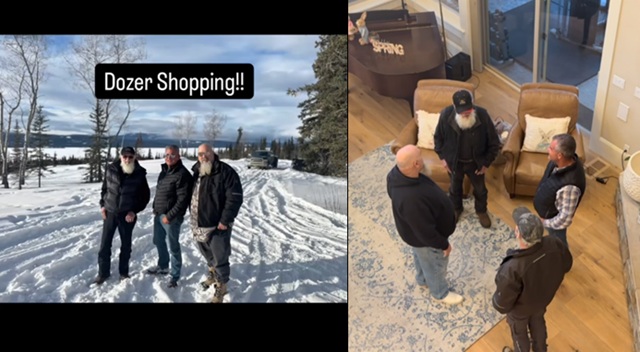
A visit to look at a bulldozer moved the story from scenery toward operations. Dozers are central to preparing roads, removing overburden, shaping pads, managing stockpiles, and supporting reclamation. Shopping for one suggests that Todd and his partners were considering the physical requirements of a mine rather than only discussing a return in abstract terms.
It does not prove they completed a purchase. Equipment evaluation can be preliminary, and the correct machine depends on ground conditions, transport, maintenance support, and the amount of material the team expects to move. A dozer that looks powerful in a video may be too expensive, too large to relocate efficiently, or poorly matched to the site.
The presence of partners is also significant. Mining decisions made with a group imply shared capital or shared responsibility. Yet the supplied updates do not identify the partners’ roles. They could be investors, operators, advisers, or potential participants in a filmed project.
Fans Heard “New Show” Even Without an Announcement
The reaction to Todd’s posts was immediate. Supporters welcomed the possibility of seeing him and Jack Hoffman mine again. Several comments asked directly whether the group was returning to television. Others simply expressed that the original crew had been missing from their weekly viewing.
- Some viewers treated the mine purchase as the first step toward a full comeback.
- Others focused on Jack’s appearance and hoped he would participate.
- Several fans wanted the familiar crew dynamic more than a specific network or series title.
- Skeptical viewers questioned financing and whether another operation would be profitable.
The enthusiasm shows that Todd retains an audience. It does not show that a network has ordered a program. Fan demand can help a project attract attention, but production requires contracts, scheduling, insurance, crews, distribution, and a story that can sustain multiple episodes.
Why Todd Remains Valuable to Reality Television
Todd was one of the founding personalities who helped establish the emotional structure of Gold Rush. His teams frequently operated as a family mission rather than a purely technical mining business. Goals were framed in terms of faith, loyalty, legacy, and the promise of changing people’s lives.
That approach produced both devoted fans and sharp criticism. Supporters connected with the crew’s optimism and willingness to risk failure in public. Critics questioned planning, costs, and repeated declarations that did not always match the gold recovered. From a television perspective, both responses create engagement.
A new Hoffman project would therefore arrive with built-in conflict. Viewers would want to know whether Todd had learned from previous operations, whether the new ground was better, and whether the old crew could work together under a more disciplined plan. The story would not need to manufacture history; the audience already remembers it.
The Crew Reunion Was the Strongest Comeback Signal
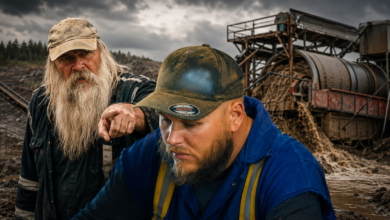
Todd later posted footage of a serious-looking conversation with members of his former digging crew. Music covered the discussion, preventing viewers from hearing the subject. The choice made the clip more suggestive. Everyone could see the meeting, but no one outside the group could confirm what was being planned.
Reassembling experienced colleagues would be a logical step for any mine, filmed or not. Todd knows their skills, personalities, and tolerance for difficult seasons. They understand his leadership style and the demands of working around production cameras.
The reunion could have concerned the Yukon property, equipment, financing, a television pitch, or a private social gathering. The surrounding posts make a mining discussion seem likely, but the actual content remains unknown.
Jack Hoffman’s Presence Carries Extra Meaning
Fan comments repeatedly focused on Jack. His relationship with Todd is part of the family legacy that originally drove the Hoffman mining story. Seeing him near a possible new venture naturally raises expectations that the project could reconnect multiple generations.
However, viewers should not assume that appearing in a clip means Jack has committed to another full mining season. Participation can range from advice and occasional visits to daily operational work. Age, health, family priorities, and the physical demands of the site may affect any decision.
The source material does not establish Jack’s formal role. It only shows why his appearance intensified excitement among people who associate the Hoffman story with father-and-son ambition.
The Questions Hidden by the Music
Because Todd muted the crew’s conversation, fans supplied their own dialogue. Were they discussing a return to television? Had Jack agreed to join? Was this the group that would operate the new property? Those questions became part of the promotional effect even if the post was not formally presented as advertising.
A deliberate tease would be consistent with building an audience before an announcement. It would also be consistent with protecting confidential negotiations. Alternatively, Todd may simply have chosen music because the private conversation was not intended for public release.
The clip supports the conclusion that he met with former crew members. It does not reveal the meeting’s outcome.
Could a Mine Finance a Show—or a Show Finance a Mine?
Fans often treat television as a camera placed beside an independent mining business. In reality, a media project can affect the economics. Production payments, appearance fees, sponsorship, or distribution arrangements may help support activity that would be harder to fund through gold alone. The exact terms of Todd’s past or potential contracts are not provided, so no specific financial claim can be made.
The relationship can work in the other direction as well. A credible mine gives a show real stakes. Viewers need to believe that the crew is pursuing an actual business result, not moving dirt solely to create episodes. The stronger the property and operating plan, the stronger the television premise.
Todd’s challenge is therefore to align both sides. A show cannot make poor ground rich. A promising mine does not automatically create compelling television. The comeback theory becomes most credible if the Yukon project can support both a legitimate operation and a season-long narrative.
What Todd’s Departure Says About a Possible Return
Todd left the original series after Season 8 and pursued other interests, including music. Reports also described strain between him and Parker Schnabel, though the supplied material does not provide a single confirmed reason that explains every aspect of his departure.
Time away can change the calculation. Todd has had space to pursue other work, spend time outside the original production, and evaluate what type of mining project he would want to lead. Returning would not require recreating the exact circumstances he left.
A new series could give him more control over tone, crew selection, location, and business partners. A return to the established Gold Rush program could offer a larger existing audience but less control over how the operation fits into the wider cast.
Four Levels of Evidence
The comeback story becomes clearer when the clues are separated by strength.
- Confirmed in Todd’s updates: He said he bought a Yukon mine and planned another purchase.
- Visible but not fully identified: He shared aerial land footage, looked at a bulldozer, and met former crew members.
- Reasonable inference: He appears to be preparing a serious mining venture.
- Unconfirmed speculation: A network has ordered a new show or approved his return to Gold Rush.
This framework allows fans to discuss the evidence without turning excitement into a false announcement.
What Must Happen Before Mining Begins
Even after a property purchase, the project needs a workable mine plan. The team must identify where to test, how to reach the ground, what equipment to mobilize, and where water and processing systems will operate. Staffing, camp logistics, maintenance, and seasonal deadlines all have to be resolved.
If investors are involved, the group must also agree on ownership, budgets, decision authority, and how losses or overruns will be handled. If filming is planned, production access and safety protocols must fit around the mine rather than undermine it.
The bulldozer trip and crew meeting may represent early steps in that process. They are signs of preparation, not evidence that the project is ready to wash paydirt.
The Difference Between Nostalgia and a Viable Return
Nostalgia can bring viewers to a premiere. It cannot sustain a mining season. A successful Hoffman return would need to demonstrate that the crew has credible ground, defined responsibilities, and a plan that responds to the lessons of earlier failures.
The most compelling version of the story would not pretend Todd never left. It would ask what he learned during the time away. Has he changed how he tests ground? Will investors impose more discipline? Can the original crew dynamic survive when the decisions involve new money and a new property?
Those questions give the rumor substance. Fans are not only hoping to see familiar faces. They want to know whether the next attempt can produce a different result.
The Current Verdict
Todd Hoffman’s posts contain more than casual hints. A mine purchase, possible second acquisition, aerial survey, machinery shopping, and crew reunion form a coherent pattern of project development. It is reasonable to conclude that he is moving toward another mining operation.
It is not yet reasonable, based on the supplied information, to claim that he has secured a new television series or confirmed a return to Gold Rush. No network statement, production title, premiere date, or formal cast announcement appears in the source.
That uncertainty may be intentional. Todd’s updates have already accomplished one valuable objective: they proved that viewers still care what happens when the Hoffman crew gathers around another piece of Yukon ground.
The next decisive clue will not be another scenic clip. It will be a named property, a documented equipment move, an explicit crew commitment, or a production announcement. Until then, the comeback remains an increasingly credible possibility—built on real mining steps but not yet sealed by television confirmation.