Zee Zaremba’s Emotional Return Changed the Meaning of Rick Ness’s Final Gold Push
Zee Zaremba’s Emotional Return Changed the Meaning of Rick Ness’s Final Gold Push
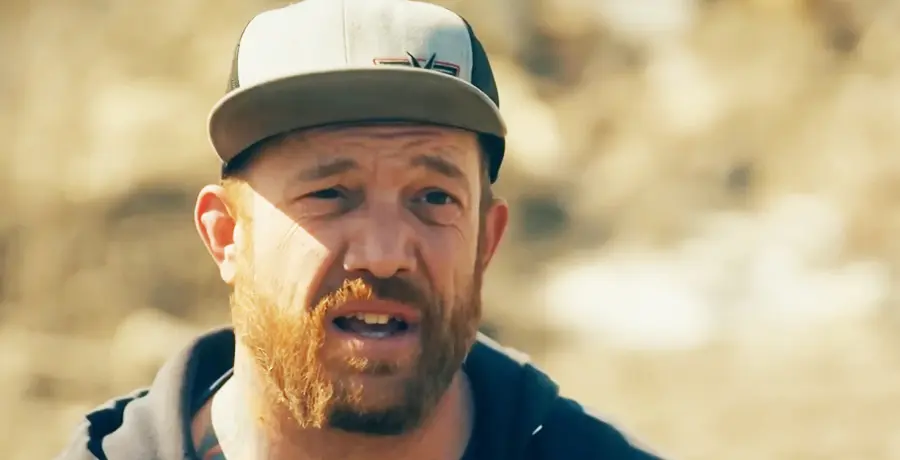
Rick Ness entered the closing stretch of his Gold Rush season with a familiar list of problems: ground still needed to be opened, a massive wash plant had to be moved, and his gold total remained well short of the goal he had set. Those pressures had defined much of his return to mining. Then Brian “Zee” Zaremba arrived with news that changed the emotional scale of the entire operation.
Zee told Rick that his wife, Chelsea, had been diagnosed with two forms of cancer. She was 33, and she was in the middle of a serious health battle. Even so, Chelsea encouraged Zee to return to the mine and help his longtime friend complete the final push. The decision was not presented as a cure, a distraction, or a simple inspirational moment. It was a difficult choice made by a couple balancing family, friendship, work, and uncertainty.
For Rick, the conversation placed every mechanical setback and every missing ounce into perspective. Gold still mattered because the crew’s livelihood depended on production. Yet the numbers no longer carried the same emotional weight. Zee’s presence reminded the team that a mining season can be measured in ounces while a life is measured in relationships, time, and the people who show up when circumstances become difficult.
A Friendship Built Through Difficult Seasons
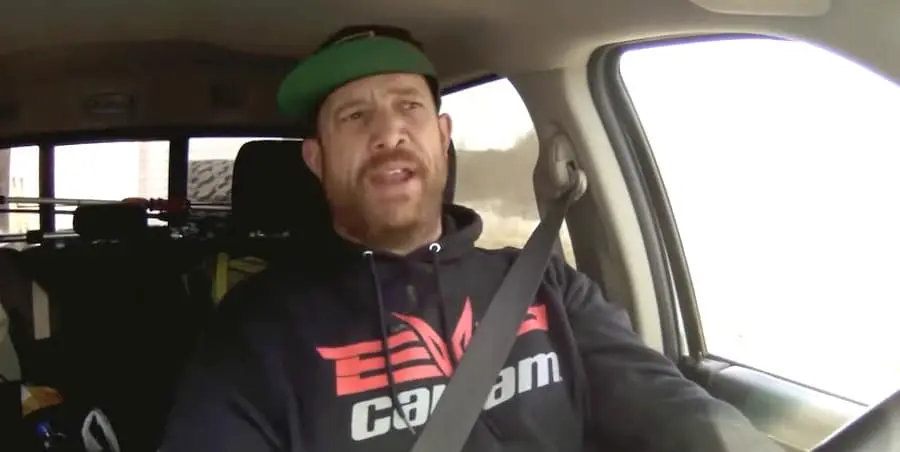
Zee’s return mattered because he was not simply another operator arriving to fill a vacancy. He was a close friend and longtime co-worker who had shared Rick’s difficult path. Their connection gave the scene a history that viewers could feel even without a lengthy explanation. Rick understood that Zee’s choice to leave Chelsea temporarily and return to the mine came with a cost.
The emotional tension was immediate. Zee wanted to support Rick, but he was also carrying concern for his wife. Rick was glad to see him while recognizing that the circumstances behind the reunion were painful. That combination made the moment bittersweet rather than celebratory. The crew gained an experienced hand, but no one could treat his arrival as ordinary good news.




Chelsea’s request that Zee help Rick also revealed how closely the relationships around the mine were connected. She understood that Rick was attempting to finish a demanding season and that Zee’s experience could make a real difference. Her encouragement did not make the health crisis smaller. It showed that the decision was made with awareness of what the friendship meant to Zee.
The Operational Crisis Zee Walked Into
Before Zee arrived, Rick’s crew had finally begun to recover from months of delays. They had cleared the overburden and were preparing to reach paydirt. The next major task was moving Monster Red, a 10-ton wash plant, to Vegas Valley. That relocation was essential because a wash plant only produces when material reaches it consistently and the surrounding system is ready to support it.
Moving a plant is not a symbolic act. It interrupts production, demands careful coordination, and exposes the crew to another round of possible delays. Access roads, equipment capacity, site preparation, water, and the flow of paydirt all have to align. In the final weeks of a season, every day spent repositioning machinery reduces the time available to recover gold.
Rick stood at 951.85 ounces before the next push. The total showed that the crew had produced meaningful gold, but it also left a large gap between the current result and the target. The pressure was therefore both financial and psychological. After a season defined by setbacks, Rick needed evidence that the operation could still finish with momentum.
Why Zee’s Return Was More Than Extra Labor
An experienced crew member can improve an operation in ways that are difficult to measure directly. Zee already understood Rick’s working style, the demands of the mine, and the personalities around him. He did not need the same orientation as a new hire. He could enter a high-pressure situation and contribute without forcing the rest of the crew to slow down while he learned the system.
His return also gave Rick emotional support. Mining leadership can be isolating because the boss must absorb financial risk while continuing to motivate everyone else. A trusted friend can challenge decisions, recognize stress, and help stabilize the team. Zee’s value therefore extended beyond the machine he operated or the task he completed.
The result described in the episode was significant. With Zee back in the operation, Rick’s crew dropped another payload and recovered 200 ounces of gold, valued in the report at approximately $670,000. That haul did not erase the season’s earlier problems, but it moved the operation forward and showed what the crew could accomplish once the ground, machinery, and people worked together.
The sequence should not be reduced to a claim that Zee alone produced the gold. Mining results come from an entire chain of work, including stripping, hauling, plant operation, maintenance, and cleanup. His return helped strengthen that chain at a crucial time. The accomplishment belonged to the crew, while his presence gave the episode its emotional center.
When the Gold Total Became Secondary
Reality television often builds suspense through measurable goals. A crew needs a certain number of ounces. A plant must run before winter. A claim has to justify its cost. Those targets give viewers a clear way to follow progress. Zee’s news interrupted that structure by introducing a challenge that could not be expressed on a gold board.
Rick could repair equipment, move Monster Red, and make a new plan for Vegas Valley. He could not solve Chelsea’s diagnosis. That limit changed his role in the conversation. Instead of being the boss who needed help, he became a friend listening to someone he cared about describe a family crisis.
The scene also avoided a simple comparison between work and family. Zee’s return did not mean mining mattered more than Chelsea. According to the account, she encouraged him to go because helping Rick was important to them. The decision reflected their priorities at that moment, and outside viewers do not have enough information to judge every private factor behind it.
What can be said is that Zee appeared to carry both commitments at once. He was present for Rick while remaining emotionally connected to what Chelsea was facing. That tension made the episode more honest than a conventional comeback story. He had not returned because all problems were solved. He returned while the most important problem remained unresolved.
The Crew’s Response Revealed Its Character
A serious diagnosis affects more than the person receiving treatment. Partners, relatives, friends, and co-workers must adjust to uncertainty and changing responsibilities. On a remote mining operation, those pressures can feel even sharper because the work is physically demanding and geographically separated from home.
Rick’s reaction showed that he understood the weight Zee was carrying. The news did not become merely another plot point before the crew returned to production. It affected how the work was interpreted. Every successful run now existed beside the knowledge that Zee’s family was facing something far more consequential.
For the rest of the crew, Zee’s choice could also create a stronger sense of purpose. The final push was no longer only about reaching an ounce target. It became a way to honor the trust he and Chelsea had placed in the team. That does not remove commercial pressure, but it can change how people approach difficult work.
Rick Ness’s Season in a New Frame
Rick’s season had repeatedly tested his ability to recover. Equipment problems, delayed ground, and production setbacks forced him to confront the difference between a plan and what the mine would actually allow. Zee’s arrival added another lesson: resilience is not only the ability to keep machinery running. It is also the ability to remain present when a friend brings painful news.
The 951.85-ounce total represented months of labor. The additional 200 ounces represented a meaningful late-season gain. Yet neither figure could define the episode by itself. Viewers were asked to hold two realities together: the crew still had a business to operate, and Zee’s family was living through a health crisis that made every business result feel smaller.
That contrast is one reason the story resonated. Gold Rush frequently shows danger, financial risk, and physical exhaustion. Zee’s return exposed a quieter kind of pressure. He had to decide where to be, how to support the people he loved, and how to function professionally while carrying fear that could not be left at the edge of the claim.
What the Other Crews Accomplished That Week
The episode continued to track the franchise’s other major mining operations. Tony Beets, Kevin Beets, and Parker Schnabel each produced results that reflected a different stage of their seasons. Their numbers provided the usual competitive context, even as Zee’s personal story remained the most emotionally significant development.
Tony’s operation recorded 31.75 ounces in one result, valued at $83,000 in the report. Mike’s Paradise Hill trommel then produced 172.15 ounces, described as worth almost $500,000. Those recoveries pushed Tony’s seasonal total to 4,363 ounces, reinforcing the scale and consistency expected from his established operation.
Kevin Beets was still building an independent mining identity away from his father. His first five months had produced 470 ounces, and he had needed assistance more than once. A 205.58-ounce weekly haul became his largest of the season and moved his total to 680 ounces. For Kevin, the result mattered not only because of the gold but because it offered proof that his separate operation could improve after a difficult start.
Parker’s team also faced the consequences of major gambles. The supplied account reported a 100.10-ounce result at the Bridge Cut and a combined finish of 282.30 ounces, valued at almost $740,000. His numbers illustrated how quickly one week can shift the outlook of a large operation, although gross gold value does not reveal the full cost of extracting it.
Four Mining Stories, Four Different Measures of Success
Tony’s week could be judged through scale. Kevin’s could be judged through progress toward independence. Parker’s could be judged through whether his investments and ground strategy were beginning to generate returns. Rick’s week, however, could not be separated from Zee’s family news.
This does not make Rick’s 200-ounce recovery less important. It means the result carried two meanings. Commercially, it helped close the gap toward the season goal. Personally, it became evidence of what the crew accomplished after Zee chose to return under painful circumstances.
The comparison also showed why a single leaderboard cannot explain an entire mining season. Two crews can recover the same amount of gold and experience completely different outcomes depending on debt, fuel, payroll, equipment costs, claim obligations, and personal circumstances. The television total is visible; the full cost is often not.
What Viewers Should Avoid Assuming
Chelsea’s diagnosis is serious, but the supplied account does not provide detailed medical information beyond stating that she was diagnosed with two forms of cancer. It would be inappropriate to speculate about type, treatment, prognosis, or outcome. Those details belong to Chelsea and her family unless they choose to share them publicly.
It is also important not to turn her decision into a universal lesson about how families should respond to illness. Chelsea encouraged Zee to help Rick during this particular period. Another family might make a different choice based on medical needs, distance, finances, or emotional support. Her decision reflects her circumstances, not a rule for anyone else.
The most reliable interpretation is limited and powerful enough on its own: Zee received devastating family news, Chelsea supported his return to assist a close friend, and Rick recognized the sacrifice behind that decision.
The Meaning of Showing Up
Zee’s return offered a different definition of loyalty than the show’s usual images of miners working through breakdowns or bad weather. Loyalty here involved vulnerability. He had to tell Rick what his family was facing, accept support, and continue working without pretending that the mine could remove his concern.
Rick’s role was also different. He needed Zee’s skills, but the friendship required him to see the person before the production target. That balance is difficult in any workplace and especially difficult when a short season places enormous value on every hour.
The episode’s strongest moment was therefore not the final weigh-in. It was the recognition that Zee had arrived carrying something heavier than mining equipment. His contribution could be measured in work completed, but the reason his return mattered could not be reduced to ounces.
A Final Push With a Different Purpose
Rick remained only halfway to the larger goal described in the report, so the season was not suddenly secure. Monster Red still had to operate effectively, Vegas Valley still had to deliver paydirt, and the crew still had limited time. Zee’s return improved the situation without guaranteeing an outcome.
What changed was the meaning of the push. A successful finish would reward the crew’s persistence and validate Rick’s recovery plan. It would also honor the effort Zee made to stand beside his friend while his thoughts were understandably with Chelsea.
That is why the story reached beyond ordinary Gold Rush drama. Machines can be repaired, plans can be revised, and lost production can sometimes be recovered. A family health crisis cannot be managed through the same logic. Zee’s return brought that truth into the mine and gave Rick’s final weeks a human significance no gold total could replace.
The crew’s 200-ounce gain provided momentum, but the lasting image was a friendship tested by circumstances neither man could control. As Rick continued chasing his season target, Zee’s presence served as a reminder that the most important support on a mining crew is not always visible in the cleanup room.