What Buzz Legault’s Latest Mining Posts Really Reveal After His Clash With Rick Ness
What Buzz Legault’s Latest Mining Posts Really Reveal After His Clash With Rick Ness
Buzz Legault did not need a dramatic announcement to become one of the most discussed crew members on Gold Rush. A disagreement over his assignment on Rick Ness’s operation was enough to trigger a larger question about loyalty, morale, and what experienced miners expect from the teams they join. By the end of the conflict, Buzz and Rick appeared to have settled their immediate dispute. Yet viewers continued looking for signs that the working relationship had changed more permanently.
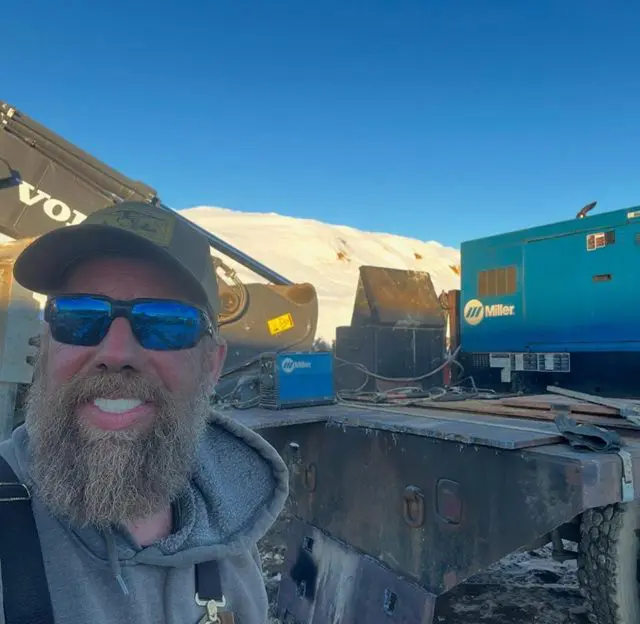
That is why a simple workplace photo from Buzz attracted so much attention. He appeared beside heavy equipment, sounded upbeat about mining, and indicated that he was working hard as a new season approached. The post confirmed one important point: Buzz was still active in the industry. It did not confirm which operator employed him, which claim he was working, or whether his relationship with Rick had ended. Fans filled that information gap with theories, and Parker Schnabel quickly became the most prominent name in the discussion.
The Assignment That Changed the Conversation
During Season 15, Buzz’s frustration centered on being assigned to a rock truck rather than working in a role he considered better suited to his experience. He had been recognized by viewers as a foreman and excavator operator, so the move looked to some fans like a demotion. From Buzz’s perspective, the assignment appeared to reduce both his responsibility and his ability to contribute at the level he expected.
Rick viewed the situation differently. A mining operation cannot function if crew members accept only the jobs they prefer. Rock trucks, excavators, wash plants, road crews, and maintenance teams are connected parts of the same production chain. When one position is not covered, material stops moving and the plant can run short of paydirt. Rick therefore expected Buzz to work where the operation needed him, regardless of title or personal preference.
The disagreement became a test of authority. Buzz felt underused and lost motivation. Rick believed a crew member was resisting a necessary assignment. Their argument eventually produced an ultimatum: work in the assigned position or leave. Although the two later hugged and appeared to resolve the conflict, the episode exposed a deeper mismatch between how each man understood Buzz’s place on the crew.



That mismatch matters more than the argument itself. Temporary conflict is common in high-pressure work, especially when weather, machinery, permits, and production targets compress an entire year’s income into a short mining season. A crew can recover from raised voices. It is harder to recover when a skilled worker no longer believes management values his strongest abilities.
Why Parker Schnabel Entered the Rumor
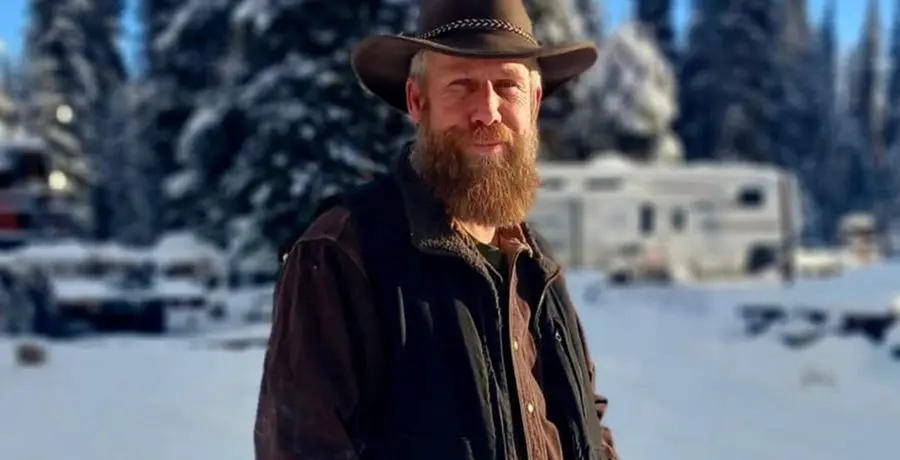
The theory linking Buzz to Parker did not begin with a confirmed hiring announcement. It grew from circumstance. Parker operates a highly organized program that depends on experienced equipment operators, clear production systems, and people who can adapt when plans change. Fans who respect Buzz’s work ethic can easily imagine him fitting into that environment.
There is also a narrative appeal to the idea. A veteran operator leaves a tense situation, joins one of the franchise’s most established miners, and gets another opportunity to prove his value. Reality television audiences naturally recognize that as a compelling story. The possibility feels plausible because it creates a clean next chapter, not because the available posts prove it happened.
Some viewers argued that Buzz appeared to be mining and seemed happier than he had during the televised conflict. Others remembered a post suggesting that he was heading back to the Yukon. Those observations establish movement and continued work, but they do not identify an employer. The Yukon contains numerous operations, and social-media posts often omit location details precisely because filming agreements or business considerations limit what cast members can reveal before episodes air.
Another group of fans noted that Buzz continued promoting Gold Rush while the season was airing. They interpreted that activity as evidence that he had not separated dramatically from Rick’s team. That is also not conclusive. Cast members can promote episodes featuring their work even after changing jobs, and public silence does not prove that a contract remains in place.
What the Fan Reactions Actually Show
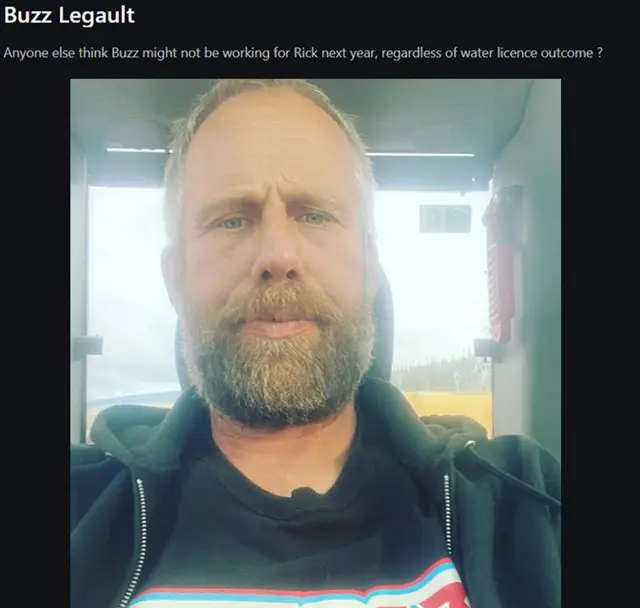
The online conversation divided into several distinct interpretations rather than one shared conclusion. Some viewers believed Buzz was finished with Rick because the conflict appeared to drain his enthusiasm. Others expected him to return and treated the dispute as television drama that producers may have emphasized. A third group focused on whether Parker would want or need another experienced operator.
- The departure theory: Buzz’s dissatisfaction was genuine, and the end-of-season reconciliation did not repair the underlying role problem.
- The return theory: The conflict was temporary, the men settled it, and Buzz’s ongoing promotion of the series suggests no permanent break.
- The Parker theory: Buzz’s skills and apparent return to Yukon mining make Parker’s crew a logical destination.
- The production theory: Viewers saw an edited version of a workplace disagreement that may have been less decisive off camera.
Each theory uses a real detail, but none has enough evidence to become a confirmed account. That distinction is essential. Fans can reasonably believe that Buzz changed crews. They cannot accurately state that Parker hired him unless Buzz, Parker, the production, or another reliable participant confirms it.
Would Buzz Fit Parker’s Operation?
On paper, Buzz brings qualities that any large placer-mining program could use. He has experience around heavy machinery, understands the pace of seasonal work, and has shown that he can carry responsibility. He also has enough television experience to operate with cameras nearby without treating every filmed moment as unfamiliar.
However, Parker’s operation would not automatically solve the issue that caused tension with Rick. Parker also assigns people according to production needs. Even accomplished operators may spend time in roles that are not their preferred positions when equipment fails or the mine plan changes. A successful move would depend less on whether Buzz received a particular machine and more on whether both sides agreed about expectations before the season began.
Parker’s crews are often judged by efficiency. Material must be stripped, hauled, processed, and tested in a sequence that leaves little room for prolonged disagreement. That could suit Buzz if he wants a defined system and consistent standards. It could also create pressure if he expects autonomy that the operation cannot always provide.
There is another practical issue: need. Fans often discuss hiring as though a popular miner can simply be added to a crew. In reality, the operator must have an open position, a budget for the employee, accommodations, equipment, and a reason to change the existing team. Buzz may be qualified without Parker having a vacancy. Compatibility and opportunity are separate questions.
The Water-License Question Around Rick’s Team
Some speculation also connected Buzz’s future to the water-license outcome affecting Rick’s plans. Permitting can shape where and how a mining crew works, how much ground becomes available, and whether an operator can offer stable employment for another season. Fans therefore wondered whether uncertainty around the license might push Buzz toward a different team.
That remains an inference. The source material does not show Buzz saying that a permit decision would determine his employment. It only shows viewers treating the license as one variable in a wider personnel question. Even if Rick’s plans changed, Buzz could join another operator, take non-televised work, or return under a revised role. Parker is one possibility, not the only one.
Social Media Is a Clue, Not a Contract
Buzz’s workplace update carried a noticeably positive tone. He stood near a large excavator and wrote that the team was “hitting it hard” while preparing to see 2025 come alive. The language suggested renewed energy and active preparation. It did not identify the team behind the work.
Posts like this are especially easy to overread because fans know that filming and broadcast schedules do not always match. A photograph can be recent while the episodes on television cover an earlier period. A cast member can appear in one crew’s televised story while already working elsewhere. Conversely, someone can post a generic mining image while remaining with the same employer.
The absence of a visible Rick Ness logo, Parker Schnabel reference, or direct crew tag does not settle the question. It may be intentional secrecy, an ordinary framing choice, or a restriction related to the show. The most reliable interpretation is therefore limited: Buzz appeared to be mining, and he presented himself as motivated.
Why the Rick-Buzz Resolution Still Matters
The hug between Rick and Buzz should not be dismissed simply because rumors continued afterward. It showed that the men could separate the immediate conflict from their broader respect for one another. In seasonal industries, people sometimes finish a job together and then choose different paths without treating the decision as a personal betrayal.
If Buzz did leave, the reconciliation could have allowed him to do so without an explosive public feud. If he stayed, it may have established clearer expectations for the next phase of work. Either outcome would be more credible than assuming that one emotional scene permanently defined their relationship.
Rick also had reason to protect the chain of command. Once a supervisor allows one worker to reject an assignment, other crew members may question why they must accept less desirable jobs. Buzz had reason to defend the value of his experience. The dispute was not necessarily about one man being right and the other wrong; it was about two legitimate priorities colliding under pressure.
Production Drama Versus Workplace Reality
Several fans suspected that the televised conflict was encouraged or intensified to make the season more interesting. That possibility cannot be verified from the episode alone. Reality television is edited, and viewers see selected conversations arranged into a coherent storyline. Editing can heighten tension without inventing the underlying disagreement.
It is therefore safer to distinguish between the documented event and assumptions about production. Buzz and Rick argued about his role. Rick issued an ultimatum. Buzz expressed frustration. They later reconciled. Whether producers prompted particular conversations, repeated scenes, or emphasized certain reactions is not publicly established in the supplied material.
This distinction also affects the Parker rumor. A storyline that looked like a final break may have been one chapter in a longer working relationship. Alternatively, a reconciliation filmed for closure may have occurred after Buzz had already decided to move on. Without direct confirmation, editing cannot tell viewers which interpretation is correct.
The Most Likely Range of Outcomes
Based on the available clues, three outcomes remain credible. Buzz may have returned to Rick with a better-defined role. He may have joined another Yukon operation, possibly Parker’s. Or he may be working in mining outside the specific crews featured in the current television storyline.
The strongest evidence supports only the broadest conclusion: he had not abandoned mining. His positive update, heavy-equipment setting, and reference to hard work all point in that direction. The identity of his employer remains unconfirmed.
For viewers, that uncertainty is part of the interest. Buzz’s conflict raised questions about whether skilled crew members should accept any assignment, how leaders maintain authority, and when changing teams becomes the best professional decision. Those questions will remain relevant even after his next employer is revealed.
What Would Count as Confirmation?
A direct statement from Buzz would be the clearest evidence. A crew photograph that identifies Parker’s operation, a formal cast announcement, or footage placing Buzz on Parker’s claim would also resolve the issue. Until then, social-media enthusiasm and Yukon references should be treated as indicators rather than proof.
The same standard applies to claims that Buzz is definitely returning to Rick. Continued promotion of the show and a public reconciliation make a return possible, but they do not confirm a new-season contract. Viewers have enough information to discuss probabilities, not enough to declare a result.
A Career Decision Bigger Than One Argument
Wherever Buzz works next, his choice is likely to involve more than the disagreement viewers saw. Role, pay, schedule, leadership, location, equipment, crew culture, and long-term opportunity all matter in a seasonal mining job. Television exposure adds another layer because employment decisions can also determine how a miner is portrayed on screen.
Buzz’s reputation among many fans remains tied to his work ethic and operating experience. The conflict with Rick complicated that image but did not erase it. His latest post suggested that he wanted followers to see him working, preparing, and moving forward rather than remaining defined by a difficult episode.
For now, the Parker Schnabel theory is plausible but unverified. The clearest story is not that Buzz has secretly joined a rival crew. It is that a respected operator endured a public disagreement, returned to the machinery he knows, and gave fans just enough information to wonder where the next mining season will place him.