Freddy Dodge and Juan Ibarra Return for Their Most Dangerous Mine Rescues Yet
Freddy Dodge and Juan Ibarra Return for Their Most Dangerous Mine Rescues Yet
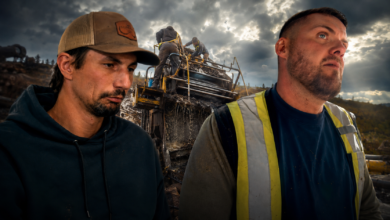
The first voice in the Season 4 preview does not promise easy gold. It says, “Welcome to our nightmare.”
That line defines the appeal of Gold Rush: Mine Rescue. Freddy Dodge and Juan Ibarra do not arrive at organized mines running slightly below target. They enter operations where owners have exhausted money, damaged equipment, lost recovery, or reached the point of quitting.
Their task is not simply to fix machinery. They have to diagnose an entire system under time pressure and design a solution the miners can continue using after the cameras leave.
The Golden Cavalry Rides Again
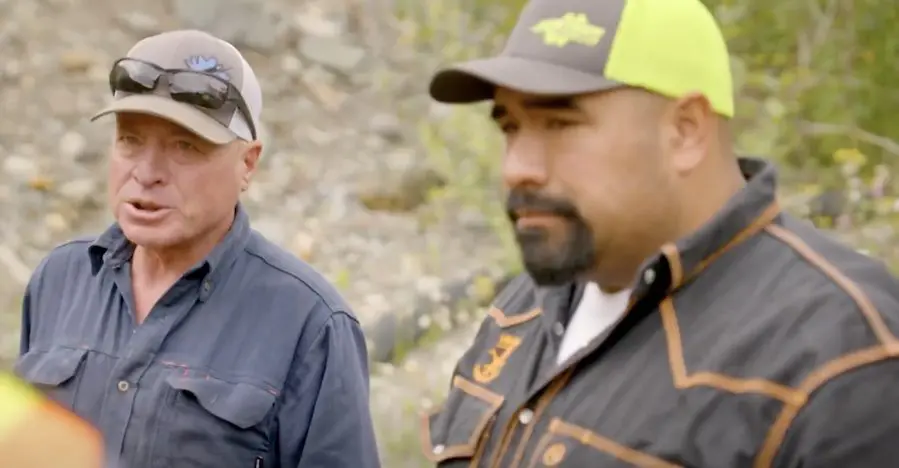
Freddy and Juan are often called the Golden Cavalry because their arrival represents a final chance. The nickname works because they usually enter after conventional options have failed.
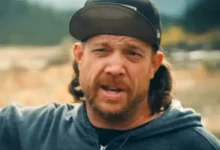


Freddy brings decades of gold-recovery experience and a reputation for identifying where valuable material is being lost. Juan combines fabrication, mechanics, and the ability to turn limited equipment into a functioning system.
Together, they approach a mine as a chain. The ground must contain recoverable gold. Excavation must deliver the material efficiently. The plant must separate gold without losing too much. Water flow, screening, classification, and cleanup all have to support the same objective.
A failure at any point can make a promising property look worthless.
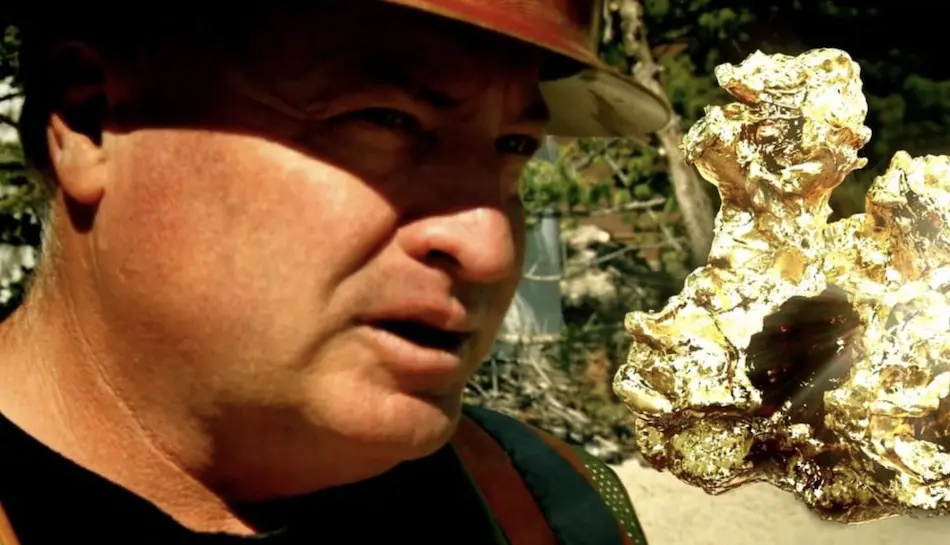
When Season 4 Begins
The supplied preview announced a Friday, May 9 premiere at 9 p.m. Eastern on Discovery.
The season follows the established rescue format but expands the geographical and technical range. Freddy and Juan travel through Washington, Oregon, Arizona, Montana, and British Columbia.
That variety means each episode cannot rely on the same repair. Hard-rock mining at elevation creates different problems from placer recovery in a creek. A plant losing fine gold requires a different solution from a mine that cannot move enough material.
The season’s value will depend on whether viewers can see those differences rather than receiving a repeated “before and after” formula.
The Opening Rescue: A Mine 4,000 Feet High
The premiere takes Freddy and Juan to the Cascades in Washington. The site is a hard-rock mine at approximately 4,000 feet of elevation.
Hard rock changes the recovery problem. Instead of washing loose placer material, miners must break, move, and process rock that may hold gold in a more difficult form. Elevation adds access, weather, and equipment constraints.
The proposed solution is unusually ambitious: an approximately 180-foot chute incorporating a spiral concentrator.
A long chute can use gravity to move material down steep terrain, reducing the need for repeated hauling. A spiral concentrator can help separate valuable heavy material from lighter waste. Combining both elements attempts to solve transport and recovery within one system.
The preview presents this as the duo’s first Washington rescue, making it an immediate test of how well their improvisational approach adapts to unfamiliar ground.
Why a Bushfix Can Change an Entire Mine
The series frequently uses the term “bushfix” for repairs or modifications created with the materials available on site.
A bushfix is not automatically crude. The best versions are practical engineering under constraints. Freddy and Juan may not have time to order a custom plant or rebuild an operation from the ground up. They need a solution that can be fabricated locally, installed quickly, and maintained by the owner.
The challenge is avoiding a temporary repair that fails after one episode. A useful rescue must match the mine’s labor, tools, and budget.
That is why the moment after the first successful cleanup matters. A doubled gold total is dramatic. A system the miner can still operate months later is more valuable.
The Mines on the Season 4 Route
The announced locations include the Buttrey Mine in Washington, the Briscoe Mine near Sumpter, Oregon, Chicks with Picks in Arizona, and the Opie Mine in Montana.
The duo also travels to British Columbia to assist operations including Long Bar Mine, Perron Mine, and Gibson Mine.
Each location brings a different combination of geology, climate, equipment, and experience. The range allows the season to show that “not finding gold” is not one problem.
At one mine, the crew may be processing the wrong material. At another, the plant may be washing gold out of the sluice. Elsewhere, a broken component may reduce production so severely that overhead consumes the season.
Freddy’s History With the Hoffman Crew
Freddy became familiar to viewers through his work with the Hoffman operation during the early years of Gold Rush.
He often appeared as the experienced voice capable of identifying flaws that optimism could not solve. His role contrasted with Todd Hoffman’s tendency to set large goals before the operation had proven it could reach them.
That background explains Freddy’s value in a rescue format. He has seen how quickly a mine can lose money when leadership ignores recovery data or continues running an inefficient plant.
He does not need the owner to admit every previous mistake. He needs the numbers and physical evidence required to locate the loss.
Juan’s Route Into the Franchise
Juan also worked with Todd’s crew, entering the franchise around Season 6.
His mechanical and fabrication skills made him a natural partner for Freddy. A diagnosis is useful only when someone can build the correction.
Juan’s best work often involves adapting equipment rather than replacing it. For miners in financial distress, replacement may be impossible. Modification becomes the only practical route.
The duo’s partnership works because one man’s recovery analysis connects directly to the other man’s mechanical solution.
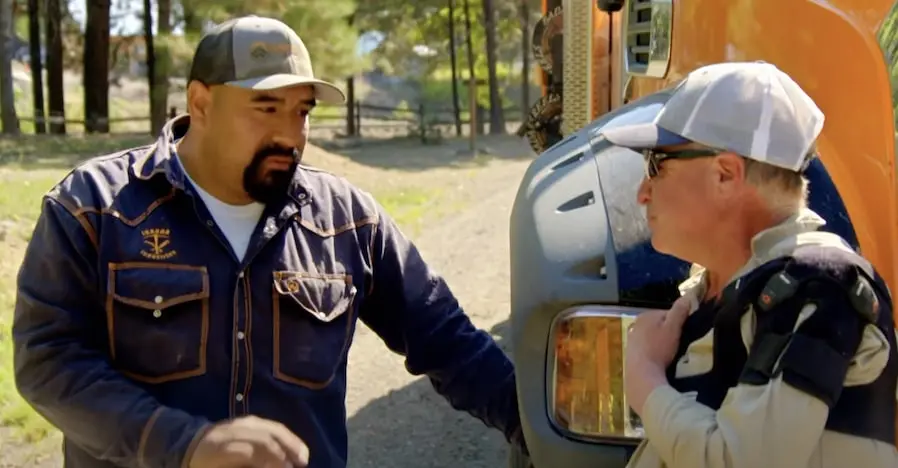
“Dire Situations” Are the Real Stakes
The preview emphasizes miners who are close to giving up. This is more than a television phrase.
Small mining operations can reach a point where another failed cleanup means no fuel, no payroll, or no ability to repair the next breakdown. Owners may have personal savings, family property, or years of labor tied to the ground.
Freddy and Juan therefore enter decisions that affect more than a season total. A successful modification can preserve a livelihood. A failed rescue can confirm that the mine has no sustainable future.
The emotional reactions shown after improved cleanups are understandable because the result may determine whether a family continues or walks away.
Equipment Is Often the Visible Problem
The preview shows broken or inefficient machinery as a major source of trouble.
A wash plant can run and still fail. It may process too little material, lose fine gold, create bottlenecks, or require so much attention that the crew cannot excavate consistently.
Freddy and Juan have to determine whether the machine is the true problem or only the most visible symptom. Poor recovery may begin with feed size, water pressure, angle, classification, or the type of ground entering the plant.
Replacing one component without understanding the system can move the loss rather than eliminate it.
The Promise to Double Gold
The series often presents Freddy and Juan making bold commitments, including the possibility of doubling a mine’s gold recovery.
Such a result can occur when an operation is losing a large percentage of gold through an obvious design flaw. Recovering material that was already being excavated can be more efficient than moving twice as much dirt.
However, “double the gold” does not mean every property becomes profitable. The original total may be extremely low. Costs may remain high. A strong cleanup after a rescue proves the modification helped; it does not answer every long-term business question.
The most informative episodes show both the improvement and the operating context around it.
Why Gold Prices Increase the Pressure
The source preview noted gold trading above $3,000 per ounce at the time of the report.
Higher prices increase the value of every recovered ounce, but they can also encourage marginal operators to continue spending on poor ground. A mine that appears attractive because of price still needs enough recoverable gold to cover labor, fuel, equipment, and reclamation.
Freddy and Juan cannot control the market. They can improve the percentage of gold captured from material the miners are already processing.
The Pacific Northwest as a Character
Season 4 spends significant time in the Pacific Northwest, where terrain and weather can become part of the rescue.
Steep access, elevation, rain, cold, and remote logistics affect every repair. A solution that works in a flat Arizona operation may be impossible at a mountain mine in Washington.
The 180-foot chute in the premiere illustrates how geography can dictate design. Rather than forcing conventional hauling onto difficult terrain, the team attempts to use the slope itself.
What Makes the Spinoff Different From Gold Rush
The main Gold Rush series follows mine bosses across a season, with competition and total ounces driving the narrative.
Mine Rescue concentrates on diagnosis. The most important question is not which crew wins. It is why a mine is failing and whether a targeted change can save it.
This focus gives the spinoff an educational quality. Viewers see how screen size, water flow, sluice design, material handling, and maintenance influence recovery.
The personalities matter, but the machine and process receive more attention than in a conventional reality competition.
What Season 4 Needs to Deliver
A strong season should show more than dramatic arrivals and happy weigh-ins.
Viewers benefit when the episodes explain the original failure, the reasoning behind the fix, the limitations of the new design, and whether the miners can continue using it independently.
The rescue is most satisfying when the audience understands why it worked.
Season 4’s announced range—hard rock, placer mines, high elevation, multiple regions, and desperate owners—provides enough variety to avoid repetition.
Freddy and Juan’s Real Mission
The duo cannot guarantee that every miner will become wealthy. Their more realistic mission is to replace confusion with information.
Sometimes the answer is a new chute or concentrator. Sometimes it is a rebuilt plant. Sometimes the most valuable conclusion may be that the ground or business model cannot support continued spending.
The miners in the preview appear to receive renewed hope, but the series is strongest when hope is connected to measurable recovery rather than another promise.
Season 4 returns with the Golden Cavalry entering mines already described as nightmares. The appeal lies in watching Freddy and Juan turn those nightmares into systems that finally make sense.
The Ethical Limit of a Rescue
There is a point at which helping a miner continue may be less responsible than helping that person stop. If the ground is too weak, the debt too high, or the equipment fundamentally mismatched, another modification could extend losses rather than save the business.
Freddy and Juan’s credibility depends on recognizing that limit. Their reputation cannot rest only on finding a dramatic fix in every episode. Sometimes the honest conclusion may be that the owners need more testing, a smaller operation, or an exit plan.
The series is most useful when it treats hope as something earned by data. A rescue should improve recovery and understanding, not simply create enough short-term gold for an emotional television ending.
Why Viewers Learn More From Failure Than From the Final Weigh-In
The cleanups provide suspense, but the diagnostic process gives the spinoff lasting value. Watching Freddy pan tailings, inspect water flow, or question feed size teaches viewers how a mine can lose gold without realizing it.
Juan’s fabrication work then turns those observations into physical changes. The sequence—test, identify, design, build, retest—shows a disciplined problem-solving method that extends beyond mining.
Season 4’s strongest episodes will make that reasoning visible. If the audience understands why the original system failed, the final gold total becomes evidence rather than magic.
A Season Built Around Transferable Skill
Freddy repeatedly emphasizes giving miners knowledge they can use after the rescue. That objective separates a lasting intervention from a television repair.
The owners need to recognize future warning signs, perform maintenance, and adjust the plant when ground conditions change. A machine left behind without understanding can become another source of failure.
The real success of the Golden Cavalry is therefore not how many mines they temporarily improve. It is how many miners become less dependent on being rescued again.