Kevin Beets’ Final-Week Gamble Backfires as Fuel Lines and Injectors Blow With the Season on the Line
Kevin Beets’ Final-Week Gamble Backfires as Fuel Lines and Injectors Blow With the Season on the Line

A Season-Ending Push Turns Into a Mechanical Crisis
Kevin Beets entered the final week of the mining season knowing that caution was no longer enough. For months, the second-year mine boss had deliberately operated at a slower pace to protect an aging and limited collection of equipment at Scribner Creek. That conservative strategy helped keep his operation alive, but it also left a mountain of unprocessed pay waiting at the Sphynx Cut as winter closed in. With shutdown approaching, Kevin faced a brutal choice: continue protecting the machinery and leave valuable ground untouched, or push the wash plant harder than he believed was safe.
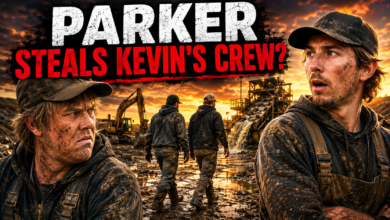
He chose speed. Kevin increased the plant’s water pressure so it could handle the additional dirt and race through the remaining pay pile. For a brief moment, the decision offered the possibility of a dramatic last-minute recovery. Then smoke began rising from the pump. The attempt to increase production had backfired, damaging fuel lines and injectors at the exact moment Kevin could least afford another breakdown.
The failure transformed an aggressive final push into a desperate repair mission. It also exposed the central contradiction that had followed Kevin throughout the season: he needed higher production to reach his goal, but the harder he pushed, the more likely his vulnerable equipment was to fail.


Kevin Had Spent the Season Protecting His Equipment
Kevin’s slower operating style was not simply a lack of urgency. It was a calculated response to the resources available to him. Unlike larger operations with multiple wash plants, extensive spare parts and dedicated support teams, Kevin had to make his existing machinery survive. Every major failure could cost hours or days, and replacement parts were not always waiting nearby.
That reality encouraged a defensive approach. Running at a controlled rate reduced stress on pumps, engines, fuel systems and other components. It gave the crew more time to detect problems before they became catastrophic. Most importantly, it allowed Kevin to preserve the equipment long enough to build a credible independent operation in only his second season as a mine boss.
The strategy had a price. Protecting machinery often meant processing fewer yards per hour. Fewer yards meant fewer opportunities to recover gold. As the season advanced, the gap between what Kevin had produced and what he hoped to achieve became increasingly difficult to close. By the finale, patience was no longer a complete solution. Winter would end the season whether the machinery was healthy or not.
Kevin’s careful philosophy had kept him in the fight. Now the same philosophy threatened to leave a large quantity of prepared pay unprocessed.
The Sphynx Cut Pay Pile Created an Impossible Deadline
The remaining pay at the Sphynx Cut represented both opportunity and pressure. The dirt had already been mined and stockpiled, meaning that gold could still be recovered if Kevin could move it through the plant before operations stopped. Leaving it behind would mean walking away from work that had already consumed fuel, labor and machine hours.
The deadline was unforgiving. Freezing temperatures were approaching, and the crew could not extend the season indefinitely. Water systems become harder to operate as conditions deteriorate. Pumps, hoses and plant components face additional strain. Roads become dangerous, and every repair takes longer in the cold.
Kevin therefore needed the wash plant to process more material in less time. His normal pace was designed for survival, not a late-season sprint. To finish the pile, he had to demand performance that the system had not consistently delivered.
This was the gamble. Kevin was not changing his method because he suddenly believed the equipment had become stronger. He was changing it because the calendar had removed his safer options. The gold was there, but access to it would disappear with the season. A machine saved for tomorrow had limited value if there was no tomorrow left to mine.
Increasing Water Pressure Was Supposed to Unlock More Production
Kevin’s solution was to increase water pressure so the wash plant could manage the additional dirt being fed into the system. In placer mining, water is essential. It helps break material apart, move it through the plant and separate heavier gold from lighter gravel. If the plant receives more pay without enough water, material can accumulate, flow can become uneven and recovery may suffer.
Raising pressure therefore addressed a real production problem. Kevin wanted the plant to accept a faster feed rate without becoming overwhelmed. If the adjustment worked, the crew could process more of the Sphynx Cut pile before the shutdown.
But higher output also increases demands on connected systems. Pumps must work harder. Engines consume more fuel. Lines, injectors and other components face greater pressure and heat. Equipment that functions reliably at a conservative rate may reveal hidden weaknesses when pushed beyond its normal operating range.
Kevin understood that possibility, but he was trapped between two forms of failure. Keeping the plant slow almost guaranteed that pay would remain unwashed. Increasing pressure created a chance to finish, but also increased the risk of damaging the machinery. He accepted the mechanical risk because the production shortfall had become impossible to ignore.
Smoke From the Pump Signaled the Gamble Had Failed
The warning arrived in the most alarming form possible: smoke rising from the wash plant pump. On any mine site, smoke demands immediate attention. It can indicate overheating, leaking fuel, oil contacting hot surfaces or a component operating under destructive strain. Continuing to run the machine could turn a repairable fault into a ruined engine or a fire.
Kevin’s crew had no choice but to stop and investigate. The diagnosis confirmed the worst part of the gamble. The increased demand had not produced a clean surge in output. The machinery had blown fuel lines and injectors, disabling the plant during the final production window.
The breakdown was especially painful because it struck the system Kevin had spent the season trying to protect. Kevin had accepted slower production precisely to avoid this kind of failure. When he finally abandoned caution, the equipment responded almost immediately.
That did not mean the decision was irrational. It meant the risk had been real. The same pressure that might have saved the final week also had the power to destroy it. Once the smoke appeared, Kevin was no longer racing only against winter. He was racing to locate parts, complete repairs and restart the plant before the remaining hours disappeared.
Faith and Buzz Became Critical to the Recovery
Kevin’s ability to respond depended on the people around him. Faith Teng contacted a nearby operation that had already shut down for the season and might possess the parts Kevin needed. That move demonstrated how mining in the Klondike often depends on relationships as much as machinery. When suppliers are distant and time is limited, a neighboring miner’s spare component can be more valuable than a part sitting in a warehouse hundreds of miles away.
Kevin then trusted Buzz Legault to handle the replacement work once the necessary parts were secured. Delegating the repair was important. A mine boss cannot personally solve every mechanical problem while also managing production, logistics and the end-of-season shutdown. Kevin needed someone capable of restoring the system without creating another delay.
The response also showed that his operation had developed resilience despite its limitations. The breakdown was severe, but the crew did not simply accept defeat. Faith searched for a solution, Buzz prepared to repair the machinery, and Kevin continued trying to salvage the final run.
That teamwork could not erase the lost hours, but it prevented the failure from becoming an immediate end to the season. In a final week defined by limited choices, the crew’s ability to improvise was one of Kevin’s few remaining advantages.
Kevin’s 2,000-Ounce Goal Was Already Slipping Away
The mechanical crisis carried even greater weight because Kevin was chasing an ambitious 2,000-ounce season. Entering the final stretch, he still needed hundreds of ounces to reach that target. The Sphynx Cut pay pile represented his final chance to narrow the gap.
A goal of that size is not merely symbolic. Production totals determine whether an operation can cover wages, fuel, equipment, royalties, repairs and future investment. They also influence whether a young mine boss can return with stronger machinery and a larger crew.
Kevin’s operation ultimately weighed 376.16 ounces from its final three weeks, bringing the season total to 1,591 ounces. That left him more than 400 ounces below the 2,000-ounce objective. At the valuation used in the finale recap, the season’s gold was worth approximately $6.3 million.
Those figures make the plant failure more frustrating but also place it in perspective. Kevin missed his target, yet he still recovered a substantial amount of gold in only his second season leading his own operation. The breakdown damaged his final push; it did not erase the progress made before it.
The Breakdown Exposed the Limits of Kevin’s Operation
The incident revealed how little margin Kevin possessed. Larger crews can sometimes shift production to another plant when one system fails. They may have spare pumps, injectors and mechanics available on site. Kevin had fewer options. One damaged system could place the entire operation at risk.
That vulnerability explains why he had been cautious throughout the season. His conservative pace was not simply a personality trait. It was a survival strategy built around limited redundancy. When the pump failed, there was no identical plant waiting to take over the Sphynx Cut pay.
The lesson for a future season is clear. Kevin needs enough equipment capacity to increase production without forcing every component to operate at its limit. He also needs critical spares for the failures most likely to cause extended shutdowns. Additional manpower could help maintain longer shifts, monitor the plant and perform preventative maintenance while mining continues.
His 1,591-ounce result may provide the financial confidence to make those improvements. The season proved that the ground and crew could generate meaningful revenue. It also identified exactly what prevented Kevin from reaching the next level: insufficient capacity and a system that could not safely accelerate when the deadline demanded it.
A Painful Finale Still Leaves Kevin a Future
Kevin did not reach 2,000 ounces, and the fuel-system failure denied him the clean finish he wanted. His final total of 1,591 ounces left a visible gap between ambition and result. Tony, Parker Schnabel and Rick Ness all had their own dramatic outcomes, but Kevin’s finale was defined by a machine that failed when he finally demanded more from it.
Still, the season was not a collapse. Kevin produced gold worth millions of dollars, built a functioning team and gained another year of experience making decisions without depending on Tony to run the operation. He learned how quickly conservative production can create a late-season backlog, and how dangerous it is to rely on machinery that has no reserve capacity.
Most importantly, he finished with enough confidence to consider returning. The broken fuel lines and injectors became the final warning of the season, not necessarily the end of his mining career.
Next year, Kevin can apply the lesson before winter arrives. He can strengthen the plant, secure spare parts, increase capacity earlier and avoid placing the entire season on one desperate adjustment. The failure at Sphynx Cut hurt because the opportunity was real. It also showed him exactly what must change.
Kevin’s Last Gamble Failed, but It Defined His Season
The image of smoke rising from the pump captured Kevin Beets’ entire second season as a mine boss. He had spent months trying to protect fragile equipment while chasing a goal that required more production than his cautious system could deliver. In the final week, those two priorities finally collided.
Kevin increased the pressure because time had run out. The plant failed because it lacked the strength to absorb the demand. His crew scrambled for parts because surrender would have wasted the work already invested in the Sphynx Cut.
The result was not the triumphant finale Kevin wanted. It was a harsh demonstration of what happens when ambition exceeds mechanical capacity. Yet it also showed that Kevin was willing to make the difficult call, accept the consequences and continue searching for a solution.
His 2,000-ounce target remained out of reach, but 1,591 ounces gave him something more valuable than a perfect ending: proof that the operation was viable and a clear map of its weaknesses.
Kevin’s final-week gamble broke the plant at the worst possible moment. Whether it becomes a disastrous mistake or the lesson that transforms his next season will depend on what he builds from the wreckage.