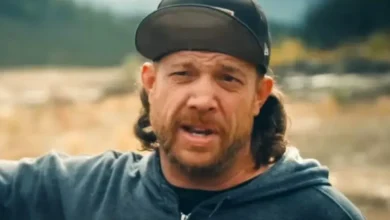
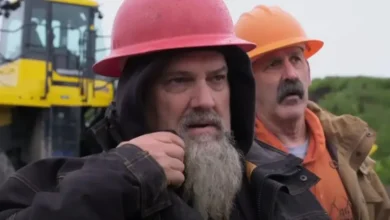
Todd Hoffman Announces a New Yukon Lease—and Fans Immediately Question Who Is Really Doing the Mining
Todd Hoffman Announces a New Yukon Lease—and Fans Immediately Question Who Is Really Doing the Mining
Todd Hoffman has announced another route back into gold mining. He says he has access to new Yukon ground, new digging equipment, possible pay locations, and a team preparing to work. He is also looking for investors and intends to film at least part of the operation.
For many former Gold Rush viewers, that combination sounded familiar rather than exciting.
The announcement triggered immediate backlash from fans who still associate Todd with ambitious claims, weak results, and operations in which other crew members appeared to carry the technical burden. Their skepticism is not only about whether the ground contains gold. It is about whether Todd has changed the way he leads.
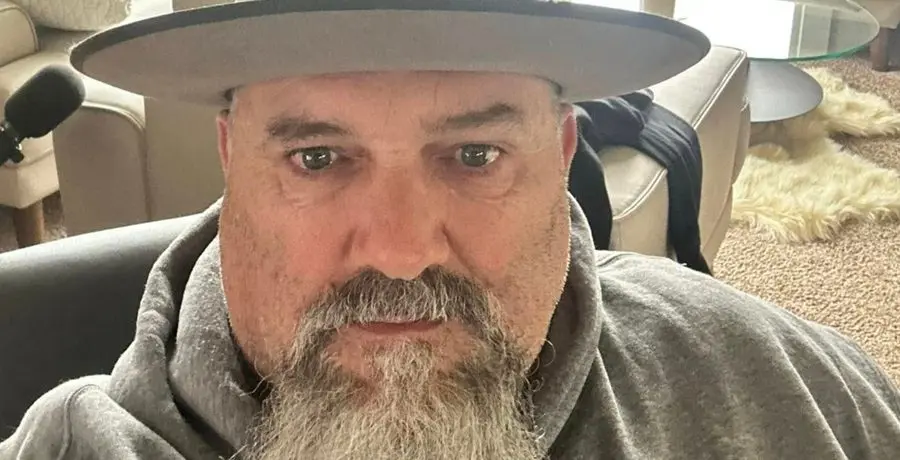
A Comeback Years After Leaving the Main Series
Todd left Gold Rush after Season 8, which aired in 2018. He later returned to television with his father and son in Hoffman Family Gold in 2022.




The spinoff did not achieve the same impact as the original series, but it demonstrated that Todd’s interest in combining mining and television had not disappeared.
In recent months, he began documenting another return. He posted conversations with former team members, shared images of equipment, and discussed buying or leasing ground in the Yukon. He also suggested that another property might follow.
Each update created the impression that a full operation was forming rather than a single exploratory trip.
The Old Crew Created New Speculation
Photos and clips showing Todd in serious discussions with familiar team members led fans to believe he was rebuilding a version of the Hoffman crew.
That possibility carries emotional appeal. Longtime viewers remember the personalities, arguments, improvisations, and family relationships that shaped Todd’s earlier seasons. A reunion can attract attention before the first bucket of pay dirt is processed.
It also raises a practical question: which experienced crew members will hold real authority?
One of the recurring criticisms of Todd’s leadership was that skilled operators often understood the problems before he did. A successful comeback would require more than familiar faces. It would require Todd to trust technical judgment, especially when it challenges the story he wants to tell.
What Todd Said About the New Lease
During a livestream, Todd discussed the property and his plans for the expedition. He said he had more than 10 potential locations that might provide gold and confirmed that he was seeking investors.
He also indicated that the project would be filmed.
Those details can be interpreted in two ways. Supporters see a miner assembling capital, identifying targets, and documenting a serious return. Critics see a television personality using the promise of gold to finance another production.
The difference will depend on evidence that has not yet been provided in the supplied account: test results, recoverable grades, operating costs, water access, equipment readiness, and the legal terms of the lease.
Why “Ten Spots” Is Not the Same as Ten Profitable Cuts
A location that may contain gold is not automatically mineable at a profit. The amount, depth, distribution, and recovery cost all matter.
Todd’s reference to more than 10 spots creates a strong promotional image. It suggests multiple chances and reduces the emotional risk attached to any single target.
However, investors would need to know how those locations were identified. Were they drilled, sampled, or tested? Are they historical workings? Does the overburden allow efficient access? Is there enough water to run the planned wash plant?
Without those answers, the number functions as potential rather than proof.
The Livestream Backlash Was Personal and Technical
Some commenters mocked Todd’s appearance and speaking style. Others focused on what they considered weak mining knowledge.
One viewer said the stream became difficult to watch when Todd discussed bucket teeth. Another claimed he was dropping mining terms while Andy did the real work. Several repeated the old joke that Todd could not recover gold even if it were visible on the surface.
The insults were harsh, and some went beyond fair evaluation of the project. Yet beneath the ridicule was a consistent criticism: fans do not trust Todd to convert mining language into operational performance.
His previous seasons created that distrust. A livestream cannot remove it because Todd has made confident announcements before.
Andy’s Role Has Become Part of the Story
One commenter portrayed Andy as the person doing the actual work while Todd remained at home. Whether that description is fair cannot be confirmed from the supplied material.
The perception itself is important. Viewers remember Todd relying heavily on more technically experienced crew members. If Andy is evaluating ground, organizing equipment, and solving operational problems, fans may see the new project as another Hoffman-branded mine run by someone else.
Delegation is not inherently a weakness. Effective mine owners hire experts. The problem arises when promotional credit and decision-making power do not match technical responsibility.
Todd can address that concern by defining roles clearly rather than presenting every success as personal leadership.
The Equipment Announcement
Todd shared news about purchasing digging equipment, which made the comeback appear more concrete.
Heavy machinery, however, is only one part of a mining system. Excavators and loaders can move enormous quantities of material, but they do not guarantee profitable recovery. The operation also needs transport, processing, water, maintenance, fuel, spare parts, and a plan for tailings.
Buying equipment before proving the ground can create a dangerous financial sequence. The machinery generates cost immediately while gold remains uncertain.
Todd’s history makes fans especially sensitive to this risk because earlier operations often featured major equipment moves followed by disappointing results.
Why Investors Need More Than a Television Pitch
A filmed project may provide revenue and exposure, but investors still need to understand the mining economics.
A serious investment proposal should separate projected gold income from production income. It should identify how much capital goes into equipment, labor, fuel, permits, reclamation, and camp expenses. It should also explain what happens if filming is delayed or no distributor buys the footage.
If the mine works only because a show subsidizes losses, investors are not financing a conventional gold operation. They are financing a hybrid media project.
That may still be viable, but it must be disclosed and evaluated honestly.
The New Land Footage
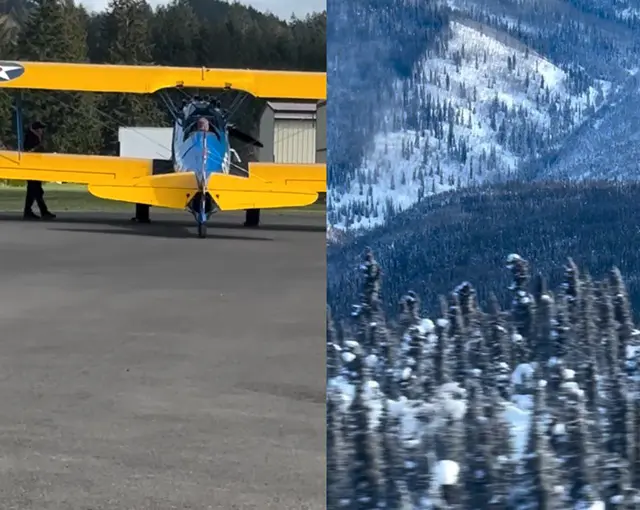
Todd also posted aerial clips of a large Yukon property that appeared to be connected to the new project.
Wide landscapes create powerful promotional material. They communicate scale, isolation, and possibility. From the air, however, viewers cannot judge pay depth, grade, access conditions, or water limitations.
The footage suggests that the project has moved beyond conversation. It does not establish that the ground can support a profitable season.
What Todd Must Do Differently This Time
The strongest response to fan criticism would be operational transparency.
Todd could show testing before large-scale stripping, explain why each target was selected, publish realistic goals, and allow experienced crew members to describe the plan without turning every uncertainty into a dramatic promise.
He could also distinguish between exploration and production. Early work may fail without proving the entire project is a disaster. Problems become harder to accept when they follow claims that success is nearly guaranteed.
A disciplined season would prioritize:
- Verified ground data before major spending.
- Clear water and permit status.
- Equipment matched to the deposit.
- Defined authority for technical leaders.
- Targets based on cost and recovery rather than television stakes.
- Transparent separation of investor money and media revenue.
The Backlash Is Also a Branding Problem
Todd’s name brings attention, but that attention now includes automatic skepticism.
Every new announcement is compared with old failures. Every motivational statement is interpreted as possible performance. Every request for investment is measured against seasons in which the crew missed targets.
A lesser-known miner might receive curiosity. Todd receives a verdict before operations begin.
That is the cost of building a public identity around enormous promises. The same fame that helps attract investors and viewers also preserves every previous mistake.
Could the Project Work Without Parker or Discovery?
The supplied report says it is unclear whether Todd would work with Parker Schnabel or appear within the main Gold Rush franchise. His comments suggested that he intended to film the project separately.
Operating outside the main show could give Todd more control. It could also remove the production infrastructure and built-in audience that helped support earlier operations.
A separate project would need its own distributor, editing plan, financing, and marketing. If no major platform acquires it, Todd may still release footage directly, but direct distribution would generate a different financial model.
The mine’s viability should not depend on where the footage airs. If the gold operation requires a television deal before it can function, the fan criticism will intensify.
Why Todd Keeps Coming Back
Todd’s repeated returns can look irrational to critics. They can also be understood as evidence that gold mining remains central to his identity.
He helped launch one of Discovery’s most durable reality franchises. Mining connected his family, television career, public persona, and ambitions. Walking away permanently would mean giving up more than an industry.
The comeback may therefore be motivated by several goals at once: finding gold, producing content, rebuilding a team, proving critics wrong, and reclaiming a role he once held at the center of the franchise.
Multiple motives do not automatically invalidate the project. They do make it harder to determine which objective controls the decisions.
The Only Result That Will Change the Conversation
Todd can defend his experience, explain his lease, and criticize the hostility of fans. None of those responses will settle the argument.
Consistent production will.
If the ground is tested, the crew runs efficiently, costs remain controlled, and the operation recovers meaningful gold, the comeback will force viewers to reconsider him. If the season becomes another cycle of equipment purchases, investor appeals, technical confusion, and dramatic filming, it will confirm the narrative already attached to his name.
The new lease gives Todd another opportunity. It also gives his critics a new set of promises to measure.
The Lease Terms Could Decide the Project Before Mining Starts
A new lease may require royalties, minimum work commitments, reclamation obligations, access payments, or deadlines. None of those terms are explained in the supplied report, yet they can determine whether even good ground becomes profitable.
If the royalty is high, Todd must recover more gold before the operation covers costs. If the lease requires rapid development, the crew may feel pressure to move equipment before testing is complete. If access or water rights are uncertain, purchased machinery may sit unused while expenses continue.
Investors should therefore evaluate the agreement itself, not only the aerial footage or Todd’s description of potential targets. A promising creek under unfavorable terms can be a poor investment.
What Early Progress Would Actually Look Like
The first meaningful milestones are not a filmed equipment arrival or a motivational team meeting. They are verified samples, confirmed permits, a working water plan, and a budget linked to realistic production rates.
After that, the operation would need to demonstrate repeatability. One rich test does not prove an entire season. Several consistent samples across a defined area provide a stronger basis for stripping and plant setup.
Todd could rebuild trust by publishing the logic behind each step without revealing commercially sensitive details. Showing why the team rejected weak ground would be as valuable as celebrating a good test. It would demonstrate discipline rather than desperation.
The Difference Between Skepticism and Automatic Hostility
Some fan comments criticize the plan. Others attack Todd personally before the first machine runs. Those are not the same response.
Skepticism asks for evidence because Todd’s previous record justifies caution. Automatic hostility assumes failure regardless of what the new operation does. Todd cannot control the second group, but he can answer the first with measurable results.
The comeback will become credible gradually. Every permit secured, test confirmed, cost controlled, and cleanup repeated will matter more than any single announcement.
Until those fundamentals are visible, the lease remains a promise rather than proof of a functioning mine.
The project will become credible only when verified production replaces promotional possibility and the numbers remain consistent beyond one successful cleanup.