Rick Ness Was Two Weeks Late on a $350,000 Debt—Then the Man He Owed Arrived at the Mine
Rick Ness Was Two Weeks Late on a $350,000 Debt—Then the Man He Owed Arrived at the Mine
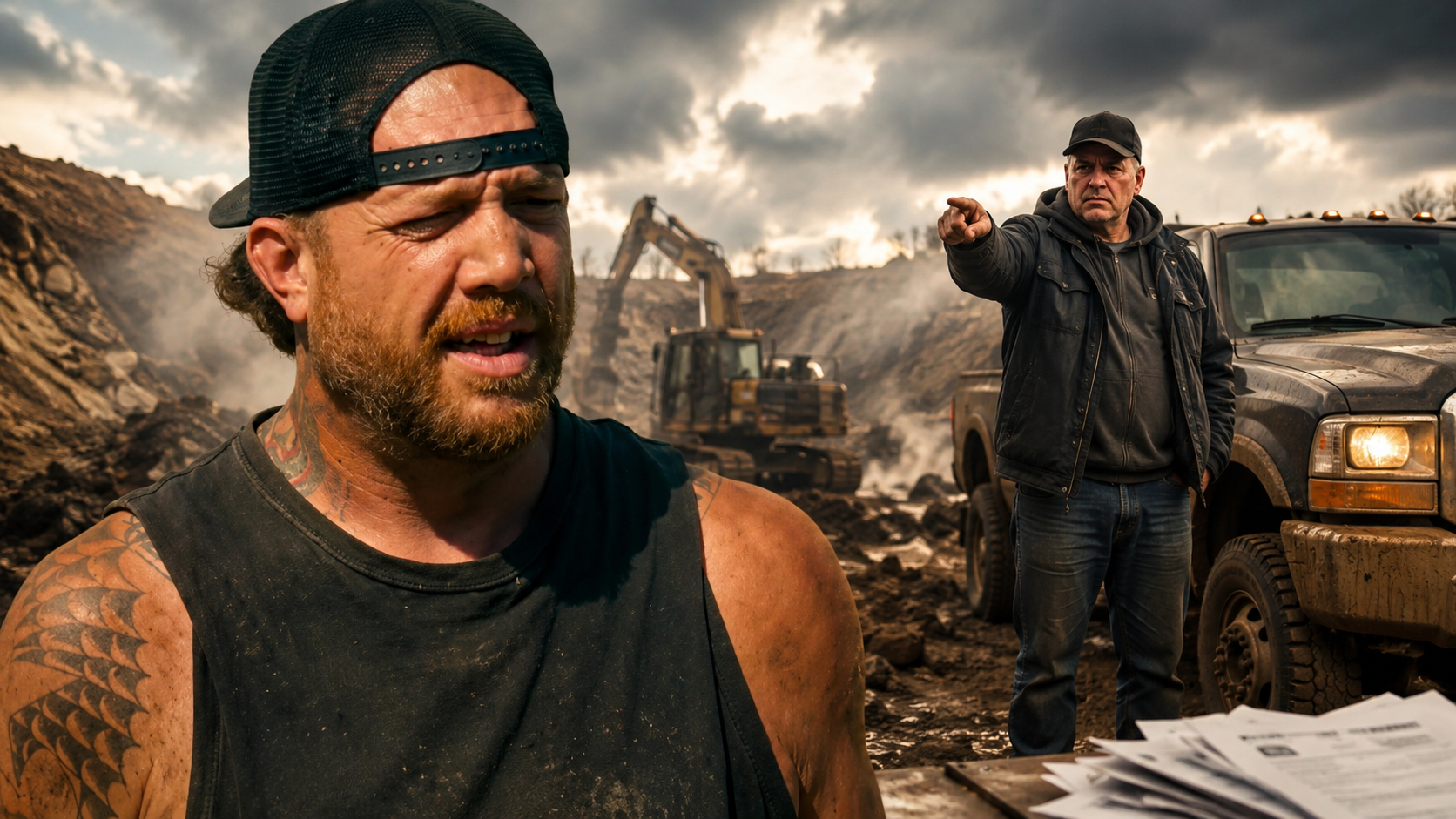
Troy Taylor’s visit to Duncan Creek began with a sentence no debtor wants to hear in person.
He needed his money.
Rick Ness owed him 100 ounces of gold, valued at roughly $350,000 at the time of the episode. The payment was tied to Rick’s purchase of Lightning Creek, an ambitious land deal meant to secure his future. It was already two weeks late. Troy did not send another message or wait for another explanation. He went to the mine and stood in front of the man who had promised to pay him.
For Rick, the timing could hardly have been worse. His ability to satisfy the debt depended on producing gold, and his principal wash plant, Monster Red, was not operating. A problem in the water line had stopped the system. A temporary repair created additional trouble, and the crew ultimately faced the task of digging up about 200 feet of pipe. Pay dirt was ready, but readiness meant nothing while the plant remained dry.

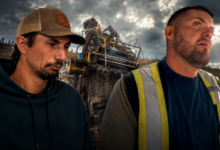

Rick told Troy he would have the money by the end of the week.
That promise turned a mining problem into a deadline with a face.
To understand the pressure, it helps to separate three things that television often compresses into one: land, gold and cash. Rick had acquired access to potentially valuable ground. He had material that could be processed. He expected the wash plant to recover gold from it. But none of those assets was the same as having 100 ounces available for Troy. Value had to move through an entire chain before the debt could be paid.
Ground had to be stripped and excavated. Pay had to be hauled and stockpiled. Monster Red needed water and fuel. The plant had to run long enough to separate gold from the material. The concentrate had to be cleaned, weighed and delivered. A broken section of pipe could interrupt that entire chain and leave a miner who appeared rich in equipment and land unable to make one overdue payment.
That is the central danger in Rick’s story: wealth on a mine can be real and still be illiquid.
Troy’s position was straightforward. He had completed his side of a deal and expected the agreed payment. Whether Rick had suffered poor ground, equipment failure or a strategic setback did not change the due date. A seller is not automatically obligated to finance a buyer’s difficult season simply because both men understand the risks of mining.
Rick’s position was more complicated but no less urgent. Lightning Creek had not delivered as hoped, so he redirected resources toward Vegas Valley in search of stronger production. That decision may have been necessary to save the season, but it also left him owing money for an asset that was not generating the expected return. He was effectively using one part of his operation to rescue a commitment created by another.
The $350,000 debt therefore represented more than a late installment. It was evidence that Rick’s margin had disappeared.
When a business has sufficient reserves, a mechanical breakdown is an operational problem. The company pays its obligations, repairs the equipment and absorbs the lost production. When reserves are thin, the same breakdown becomes a financial emergency. Vendors, landowners and employees still expect payment while revenue stops. Each hour of downtime begins to threaten relationships as well as output.
Rick’s operation appeared to be living in that second condition.
Monster Red had a stockpile waiting. On the surface, that should have been reassuring. The dirt represented potential ounces close to realization. Yet a stockpile can also increase frustration. Everyone can see the material that might solve the problem, but no one can turn it into money until the plant runs. The broken pipeline created a barrier between Rick and the payment he had just promised.
The failed temporary patch made matters worse. Temporary repairs are common in remote operations because the ideal parts, tools or time may not be available. A field fix can keep a plant running until a permanent solution is possible. But a patch is only successful if the risk of failure is understood and contained. When it creates a second problem, the crew loses not only more time but also confidence in the repair strategy.
Digging up roughly 200 feet of line was not a minor correction. It required labor and equipment that could have been used elsewhere, and it exposed how a buried or inaccessible system can magnify the cost of a single defect. The crew had to find the damaged area, open the route and restore water service while the end-of-week promise grew closer.
For viewers, Troy’s arrival provided the drama. For Rick, the more dangerous scene may have been the silent plant.
His debt was denominated in gold, not hope. If Monster Red did not run, the stockpile could not be washed. If the pay did not produce enough, even a successful repair might leave him short. And if he missed the new promise after already being two weeks late, the issue could damage the trust required for future land deals.
Mining depends on relationships because certainty is scarce. Sellers accept staged payments. Landowners grant access. Contractors move equipment before every ounce has been recovered. Those arrangements work when each party believes the other will honor commitments despite difficult conditions. A late payment does not automatically destroy that belief, but repeated promises without delivery eventually do.
Rick understood that Troy was not asking for a favor. He was collecting what the agreement said was his.
The episode invites a difficult question: should Rick have purchased Lightning Creek without a larger financial cushion? In hindsight, any failed investment looks avoidable. At the time of the deal, Rick saw a chance to secure ground and potentially unlock a major payday. A miner who waits for certainty will never buy promising land because the gold can never be fully proven in advance. Risk is unavoidable.
The quality of the gamble depends on the downside plan.
Could Rick make the final payment if Lightning Creek underperformed? Did he have enough reserve to survive a major wash-plant shutdown? Was the 100-ounce obligation scheduled with sufficient time before winter? Had he protected working capital for repairs, fuel and payroll? The episode did not answer every financial question, but Troy’s visit suggested that the margin between the plan and the deadline was dangerously narrow.
Rick’s career has often been framed as a series of comebacks. That history makes him compelling. He has faced personal struggles, operational setbacks and seasons that seemed beyond rescue. Each recovery encourages the belief that determination will produce another one. Yet debt changes the meaning of a comeback. A miner cannot ask a creditor to accept a dramatic storyline in place of payment.
The numbers must eventually win.
Rick’s promise to pay by the end of the week may have been necessary to reassure Troy. It also raised the stakes. A responsible promise should be based on a realistic production calculation: how many hours could Monster Red run after the pipeline repair, how much material could it process and what grade did Rick expect from the stockpile? If the expected recovery did not comfortably exceed 100 ounces, the promise depended on favorable ground as well as successful mechanics.
That is a dangerous combination. Repairs can be planned. Gold recovery can only be estimated.
The best response would have included more than urgency at the plant. Rick needed financial communication. If there was a serious chance he could not produce 100 ounces by the promised date, Troy deserved an honest plan with dates, partial-payment options or other security. Silence and optimism are poor substitutes for renegotiation. Creditors are often more flexible before a missed commitment than after a second one.
Troy’s direct visit suggested that previous patience had limits.
There is also a lesson in the unit of the debt. Owing 100 ounces can make the obligation feel connected to production, almost as if the ground itself will pay. But the value of those ounces changes with the gold price, and the effort required to recover them is uncertain. A fixed ounce payment transfers price opportunity to the seller while leaving production risk with the miner. As gold becomes more valuable, every missing ounce becomes a larger dollar problem.
Rick was not merely chasing a round number. He was racing to deliver an asset that had become increasingly expensive.
For older Americans who have operated small businesses, the scene may recall a familiar contradiction. A company can own trucks, land and machinery worth millions and still struggle to meet Friday’s obligation. Outsiders see assets and assume security. Owners see loan payments, repair bills, fuel, wages and the cash conversion cycle. Profit on paper does not pay a person standing at the gate.
That is why Troy’s words carried such force. They cut through the romance of gold mining. He did not ask how promising the pay looked or how hard the crew had worked. He needed what he was owed.
Rick’s leadership was being measured in two places at once. At the pipeline, he had to organize a repair and return Monster Red to production. With Troy, he had to protect trust. Excelling at one while neglecting the other would not be enough. A functioning plant would not erase the delay, and a convincing conversation would not create gold.
The crew also carried the consequences of decisions they had not made. Operators and mechanics now had to work under an extraordinary deadline because the business had committed to a payment before the plant was ready to deliver it. Pressure can motivate a team, but it can also encourage rushed excavation, incomplete inspection and another temporary fix. The safest repair is rarely the one performed while everyone imagines a $350,000 clock.
Rick needed speed. He also needed the line to hold.
That distinction is important because recurring failures would cost more than the first shutdown. If the crew restored Monster Red only to suffer another rupture, the second delay could eliminate the remaining chance to keep the promise. A permanent repair, properly tested, offered the fastest path to reliable production even if it took longer than another patch.
The Lightning Creek deal was supposed to expand Rick’s future. Instead, the overdue payment narrowed his present to a few days. That reversal is what makes the episode more than a routine debt collection. Rick had bought land to gain control, but the financing terms and disappointing production left him controlled by the obligation.
He was not yet bankrupt. Troy had not been shown seizing the mine. The situation should not be exaggerated beyond the facts. Rick had an overdue payment, a direct demand and a plan to produce the gold. He still had equipment, a crew and stockpiled pay. The crisis was serious because those resources had to work almost immediately, not because the outcome was already decided.
That uncertainty is the heart of mining. The stockpile might contain enough gold. The plant might return to service in time. A good run could transform Rick’s position by the end of the week. But a business cannot survive indefinitely by requiring every uncertain event to break in its favor.
Long-term stability would require Rick to rebuild margin. He needed reserves that separated equipment downtime from creditor panic, production plans that did not depend on emergency repairs and land deals whose final payments remained manageable even when the ground disappointed. Those changes are less exciting than a last-minute weigh-in, but they determine whether a miner owns a business or merely survives a sequence of rescues.
Troy’s visit forced that reality into the open. The 100 ounces were no longer an entry in Rick’s plan. They belonged, in every practical sense, to someone waiting for them. Until the debt was satisfied, the first gold through Monster Red was not Rick’s victory. It was Rick keeping his word.
The broken pipeline made the task harder, but it did not change the obligation. That is the unforgiving line between risk and responsibility. Rick was free to gamble on Lightning Creek. Troy was free to expect payment under the deal they made.
By the time Troy left Duncan Creek, the mine had a new deadline. Monster Red needed water. The stockpile needed washing. The gold needed cleaning. And Rick Ness needed to prove that his promise was worth more than the dirt sitting beside a silent plant.