Rick Ness Bets His Final $1 Million on Valhalla in a Make-or-Break Gold Rush Gamble
Rick Ness Bets His Final $1 Million on Valhalla in a Make-or-Break Gold Rush Gamble
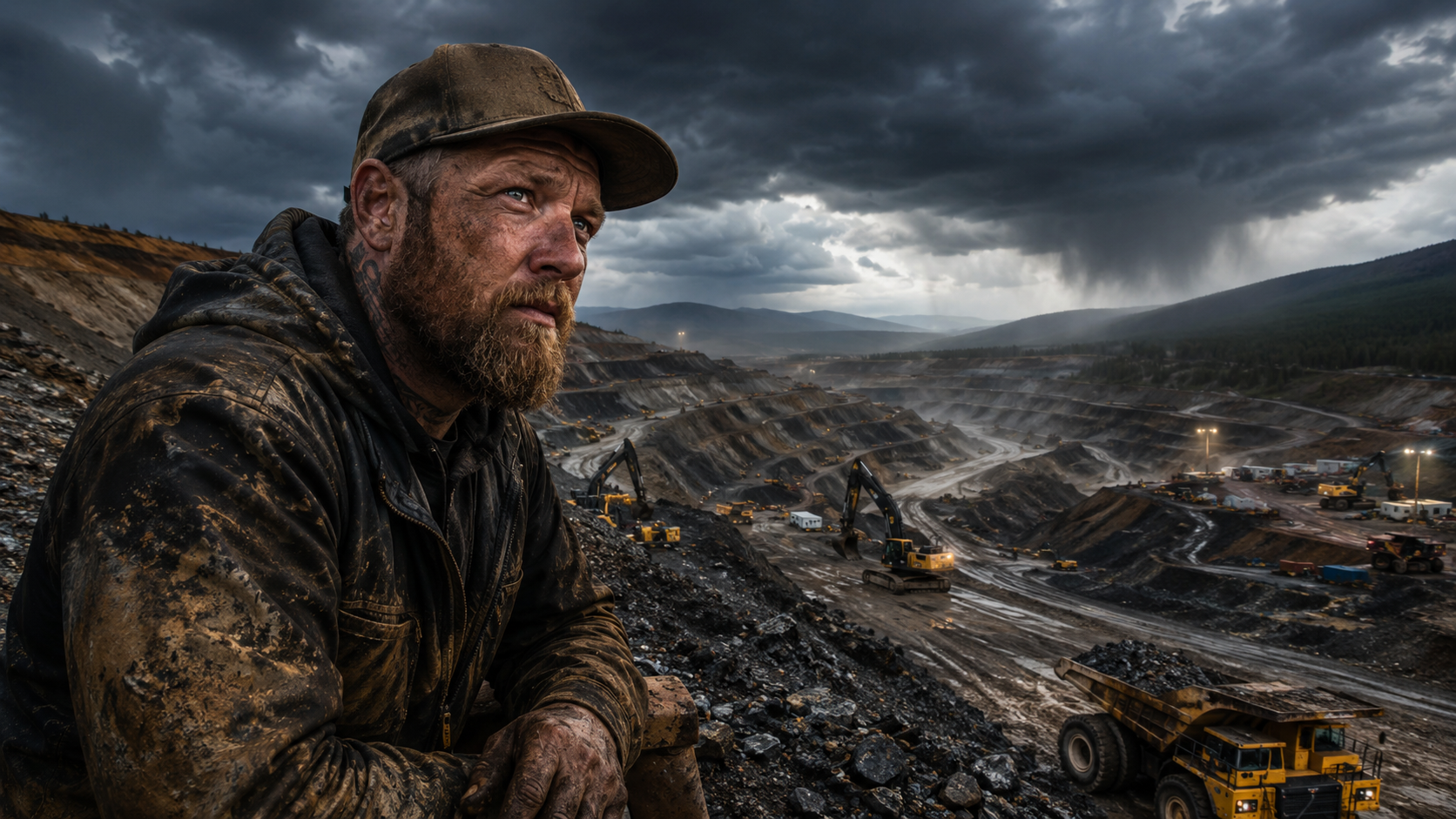
Write the decision on a sheet of paper and it appears unreasonable.
Spend the last $1 million. Move more than a million yards of overburden. Open a four-acre cut. Finish the work in six weeks. Trust that enough gold lies at the bottom to save the company.
Rick Ness did not make that decision because the odds looked comfortable.
He made it because comfort had already disappeared.
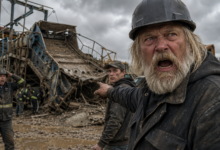
By the February 13, 2026 episode of Gold Rush, Rick’s operation was stalled at Vegas Valley. The ground he wanted to mine had been considered dangerous, leaving him with people and machinery but no dependable route to his season goal. Tony Beets and Parker Schnabel had already banked gold worth many millions. Rick remained the underdog, short on time and in need of a plan large enough to change the entire outcome.
He gathered his crew and presented one.
Rick wanted to extend Vegas Valley by four acres and move more than a million yards of overburden in approximately six weeks. The new cut would be called Valhalla, a name inspired by a song from the metal band Stormwarrior. In Norse legend, Valhalla is a hall for fallen warriors. For Rick’s company, the name carried an unintended warning. The cut might deliver glory, or it might become the place where the operation died.
The estimated cost placed all of Rick’s remaining $1 million at risk.
His crew reacted with understandable concern. This was not a routine expansion funded by a strong season. Rick told them the company itself could end if the gamble failed. The workers nevertheless chose to follow him.
Their support is one of the most important details in the story.
Rick’s money was on the line, but so were their jobs, their season and the months they had spent away from home. A mine boss can announce a vision. Operators must move the dirt. Mechanics must keep old equipment alive. Truck drivers must repeat the same dangerous route through long shifts. Belief becomes meaningful only when people are willing to attach labor to it.
The work began at Duncan Creek.
Before the crew could wash a single yard of pay dirt, it had to remove the material sitting above it. Overburden is the miner’s entrance fee. It contains little or no recoverable gold, yet it must be excavated, loaded, hauled and placed somewhere else. Every bucket costs fuel. Every truck cycle consumes time. None of it creates revenue until the crew reaches the layer it hopes will pay.
Moving more than a million yards meant committing to an enormous amount of nonpaying work.
That is why a deep cut can become psychologically dangerous. Once hundreds of thousands of dollars have been spent, turning back feels like admitting the money is gone. Continuing requires more money but preserves hope. The deeper the crew digs, the harder it becomes to separate sound judgment from the desire to justify what has already been spent.
Rick’s rock truck soon went down, costing valuable time while parts were located and installed. The breakdown was ordinary by Gold Rush standards, but Valhalla had no ordinary days. Six weeks allowed little room for a machine to sit. A repair delay did not merely slow stripping; it pushed every later step closer to winter.
The schedule contained several stages viewers could easily compress into one word: mining.
The crew had to strip the cut, stabilize access, maintain haul roads, reach the expected pay zone, test the material, excavate it, transport it to the wash plant, run it and complete a cleanup. Finding promising dirt at the bottom would not be enough. The gold had to reach the box before frozen conditions ended the season.
Rick’s $1 million therefore purchased a chance, not a result.
That difference defined the gamble.
Gold prices were high, increasing the value of every successful ounce. High prices can justify working lower-grade ground or spending more to reach a deposit. They can also make uncertain projections feel safer than they are. The price of gold does not improve the geology. It only changes what the geology may be worth.
Rick believed Valhalla could contain the gold needed to rescue his season. He did not possess a guarantee.
His choice reflected a pattern that longtime viewers recognize. Rick has often operated closest to the edge. Unlike Parker’s huge organization or Tony’s broad base of claims and machinery, Rick’s company has repeatedly depended on one ground decision, one wash plant or one cleanup. That vulnerability has made his successes emotional and his failures difficult to watch.
It also made Valhalla feel personal.
Rick had already lost time, changed locations and fought to rebuild his mining career. The crew around him included people who had stayed through uncertainty. When he told them this could be the end, the statement did not sound like television exaggeration. A million-dollar failure can end a small company even when valuable equipment remains. Machines can be sold, but an operation without working capital cannot buy fuel or meet payroll long enough to try again.
There were three possible outcomes.
The best was obvious: Valhalla reached rich pay, the wash plant recovered enough gold to cover the million-dollar investment and the cut became a foundation for future seasons.
The middle outcome was more complicated: the crew found some gold, but not enough to repay the stripping cost before winter. The ground might still hold future value, yet Rick could run out of cash before realizing it.
The worst outcome was barren or unsuitable material at the bottom. In that case, the cost of learning the truth would consume the company’s last reserve.
Weeks of digging eventually brought Rick closer to that answer.
The operation pushed into Valhalla while frustration grew among the crew. Long hours without gold can strain even loyal workers. They were moving a mountain on the promise that the material beneath it would be different. Every truckload removed made the hole larger but did not make the bank account healthier.
When Rick finally confronted what lay at the bottom, the discovery shook him. The expected gold-rich reward did not appear in the form he needed. The cut that had been presented as a rescue began looking like a trap, forcing him to reconsider the ground and the future of the season.
That later reversal did not make the original decision automatically foolish. Mining decisions must be judged using the information available at the time, not only the result. Rick had a stalled operation, limited options and a crew ready to work. Doing nothing would also have cost money and almost certainly ended the season.
The real question is whether he understood the downside clearly enough.
He appeared to. Rick told the crew the company could end. The $1 million figure was not hidden. The schedule was not generous. He chose risk with open eyes because the alternative offered no meaningful path forward.
This is the uncomfortable logic of a last chance. When safe choices can no longer achieve the goal, danger begins to resemble strategy.
Many American families recognize a smaller version of that decision. A farmer borrows against equipment for one more crop. A restaurant owner uses savings to survive another season. A contractor accepts a job large enough to rescue the company but expensive enough to destroy it if payment is delayed. The numbers are different. The emotional structure is the same.
Hope asks for one more investment.
Experience warns that sunk costs do not become wise merely because quitting hurts.
Rick stood between those voices.
The name Valhalla amplified the drama, but the cut’s real story was found in accounting. A million dollars sounds like a fortune until it is divided across excavators, rock trucks, fuel, parts, wages and continuous stripping. Heavy earthmoving can consume capital before the operation sees a return. Rick was not buying gold for $1 million. He was buying the right to discover whether gold was there.
That is why the crew’s mechanical problems mattered so much. A failed truck did not reduce the amount of overburden. It only reduced the time available to move it. Repair costs added to the gamble while lost hours weakened the schedule. The deeper the cut became, the more the plan depended on every remaining machine.
Leadership under those conditions cannot rely on enthusiasm alone.
Rick had to communicate urgency without exhausting people, accept warnings without appearing uncertain and decide when persistence became waste. If he changed direction too early, he might abandon gold within reach. If he continued too long, he could spend the final dollars chasing a deposit that did not exist.
Television often presents perseverance as a virtue with a guaranteed reward. Mining does not honor that promise.
The ground is indifferent to effort.
A crew can work safely, repair every machine and move the planned volume only to discover that the geology does not match the hope. That is not a moral failure. It is the reason testing, drilling and conservative planning matter before full production begins.
Valhalla raised questions about whether Rick had enough information before committing. Viewers debated why he spent so much on the new cut and whether other work at Vegas Valley should have come first. Some believed the expansion could still benefit a future season because the overburden had already been moved. Others saw a million dollars spent to confirm bad news.
Both views contain truth.
Stripped ground retains potential value if permits, finances and geology allow a return. But future value cannot pay today’s bills unless someone funds the wait. Rick’s challenge was not merely whether Valhalla might someday produce. It was whether the company could survive long enough to see that day.
The gamble also placed the crew in a difficult position. Their loyalty helped make the attempt possible, but loyalty can push employees to follow a leader beyond prudent limits. A responsible boss must value belief without using it as a substitute for evidence.
Valhalla also placed unusual pressure on Rick’s mechanics. Stripping schedules are usually described in yards, but the real limit may be machine availability. An excavator waiting for a truck cannot move the target volume. A line of trucks waiting for an excavator burns time and fuel. One disabled unit changes the rhythm of the entire fleet. Rick’s million-dollar budget therefore depended on equipment old enough to require constant attention performing like a coordinated system for weeks.
That dependence made maintenance a form of financial judgment. Repair too slowly and the cut misses the deadline. Replace too much and the budget disappears before pay dirt. Continue operating a damaged component and a small failure may destroy the machine. Every wrench turned at Valhalla carried part of the same gamble as Rick’s decision to open the ground.
Rick’s openness about the danger gave the workers a chance to understand what they were joining. Their decision to continue was powerful precisely because the outcome was uncertain.
When the cut disappointed, Rick did what mine bosses eventually must do: he looked for another route. The ability to turn away from a cherished plan can require more courage than starting it. A million dollars already spent does not make the next dollar less valuable.
Valhalla became a test of identity as much as geology.
Was Rick the miner who never quit, or the leader who knew when to quit one idea to save the larger mission?
Those identities do not have to conflict. Persistence should attach to the goal, not to a single hole in the ground. Saving the company may require abandoning the very cut built to save it.
The enduring image of Valhalla is not a triumphant cleanup. It is Rick standing before an enormous excavation, surrounded by machinery and the consequences of his own decision. The size of the cut made the million-dollar bet visible. Every wall represented fuel. Every bench represented time. The bottom held an answer he could not negotiate with.
Rick Ness entered Valhalla because he believed one bold move could reverse a failing season.
What he discovered was the cruelest rule in gold mining: a person can risk everything, do the work and still find that hope was not the same thing as pay.