Kevin Beets Pays His Father Tony $425,000 for a Dozer — And It Wipes Out Nearly All His Gold for the Week
Kevin Beets Pays His Father Tony $425,000 for a Dozer — And It Wipes Out Nearly All His Gold for the Week
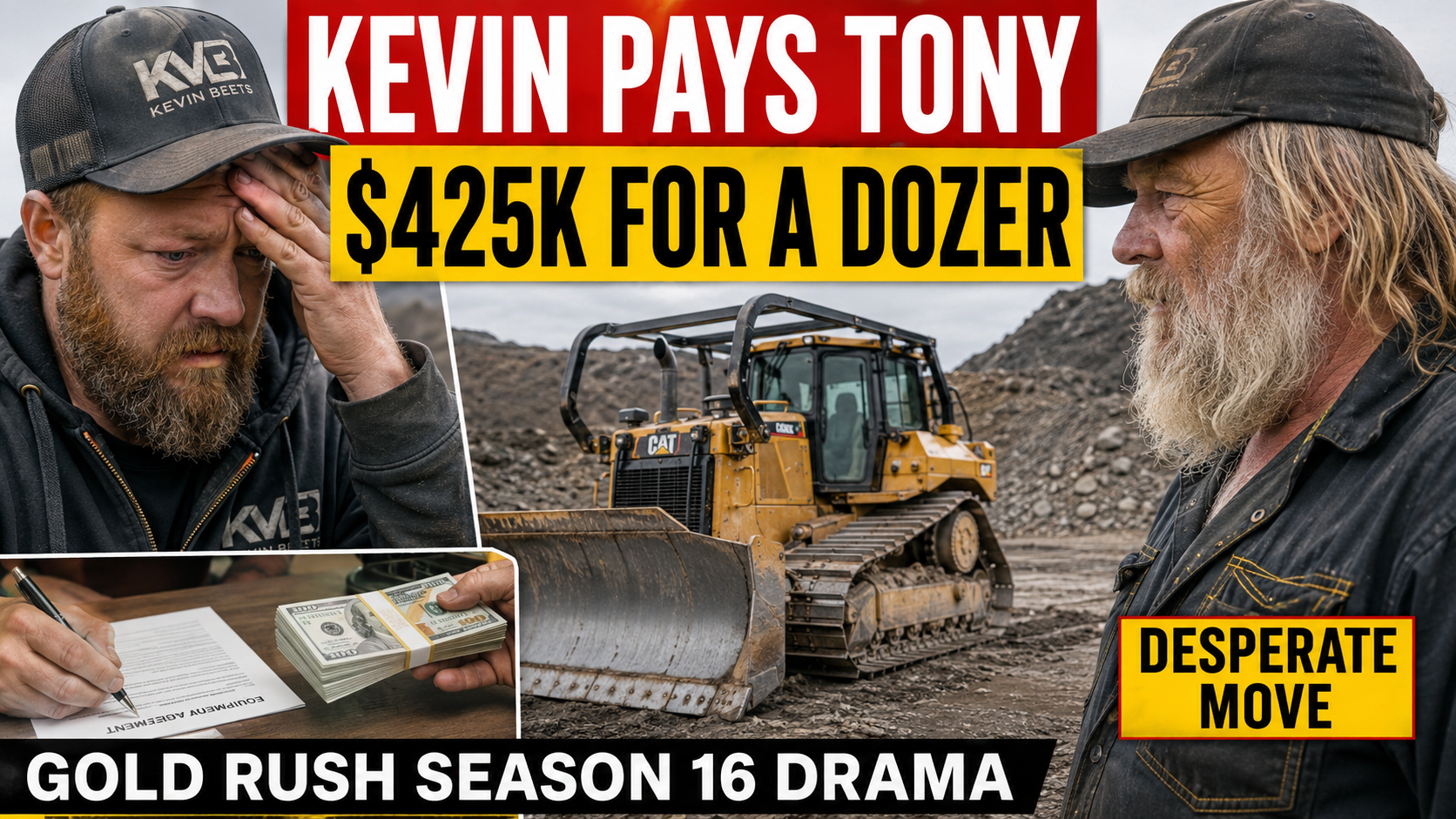
Kevin Beets was in trouble. His Pyramid Cut, the ground that had been keeping his season alive, was running out of paydirt. The gold was drying up, and without a new source of production, his operation would grind to a halt. But the problem wasn’t just the ground — it was the equipment. His D10 dozer, the workhorse that had been moving dirt and clearing overburden all season, had broken down at the worst possible moment. With the season on the line and time running out, Kevin had no choice but to turn to the one person who could help him: his father, Tony Beets.
The D10 dozer is a massive piece of machinery, capable of pushing thousands of yards of dirt in a single day. For Kevin’s operation, it was essential. Without it, he couldn’t clear the overburden, couldn’t reach the paydirt, and couldn’t keep his wash plant running. The breakdown was a crisis that threatened to derail everything he had worked for.
Kevin’s only option was to buy a replacement — and fast. He approached his father, Tony, who had a D10 dozer available. The price tag? $425,000. It was a massive sum for a second-year mine boss who was already drowning in debt. But Kevin had no choice. If he wanted to keep his season alive, he needed that dozer.


The transaction was classic Tony Beets: business is business, even when family is involved. Tony didn’t give his son a discount. He didn’t offer favorable payment terms. He sold the dozer at market value, and Kevin had to find a way to pay for it. The family discount, it seemed, didn’t apply to equipment sales.
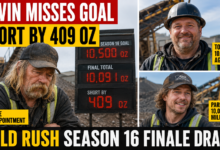
Kevin’s crew delivered a solid week of production: 139.36 ounces of gold worth approximately $500,000. It was a strong performance, the kind of week that could have turned his season around. But the celebration was short-lived. Nearly all of that money — $425,000 — went straight to Tony to pay for the dozer. After the dust settled, Kevin was left with just $75,000 to show for a week of grueling work.
The transaction highlighted the complicated relationship between Kevin and his father. Kevin was trying to build something of his own, to prove that he could succeed without relying on the Beets family name. But every time he turned around, he found himself dependent on Tony. The dozer purchase was just the latest example.
Kevin’s situation was made even more difficult by the broader context of his season. He had already been struggling with crew shortages, equipment failures, and financial pressure. His debt to Parker Schnabel — $130,000 for equipment — was hanging over his head. Parker had shown up at Kevin’s mine demanding payment, giving him a Thursday deadline to pay up. The pressure was mounting from all sides.
The Pyramid Cut had been Kevin’s lifeline. It was the ground that had given him hope, the place where he had finally started to find some success. But now that ground was running out. The paydirt was thinning, and Kevin knew he needed to find a new source of production if he wanted to reach his 2,000-ounce goal.
The D10 dozer was supposed to be the answer. With a new dozer, Kevin could clear overburden faster, reach new ground, and keep his wash plant running. But the cost of the dozer was a heavy burden. $425,000 was a massive chunk of his budget, and it left him with little room for error.
Kevin’s crew felt the weight of the transaction. They had worked hard to deliver that 139.36 ounces, and they knew that most of the money was going straight to Tony. It was a reminder that in the gold mining business, even when you win, you don’t always come out ahead.
The dozer purchase also raised questions about Tony’s motivations. Was he helping his son, or was he taking advantage of Kevin’s desperation? The answer, as with most things involving Tony Beets, was probably a bit of both. Tony had always been a ruthless businessman, and he wasn’t about to change just because the buyer was his own son.
But there was also a practical consideration: Tony needed to move equipment. He had been consolidating his operation, and the D10 dozer was surplus to his needs. Selling it to Kevin made sense from a business perspective. It gave Tony cash and freed up space, while providing Kevin with the equipment he desperately needed.
For Kevin, the transaction was a necessary evil. He knew that his father wasn’t doing him any favors, but he also knew that he had no other options. The dozer was essential, and the price was the price. If he wanted to keep his season alive, he had to pay it.
The $425,000 dozer purchase was a stark reminder of the financial realities of gold mining. It’s not just about finding gold — it’s about managing costs, keeping equipment running, and making smart investments. Kevin had made a smart investment in the dozer, but it came at a steep price.
The week’s production of 139.36 ounces was a testament to Kevin’s crew’s hard work. They had pushed through the challenges, kept the plant running, and delivered a solid result. But the financial reality was sobering. After paying for the dozer, Kevin was barely breaking even.
Kevin’s situation was a microcosm of the challenges facing young miners in the Yukon. The startup costs are enormous, the margins are thin, and the competition is fierce. Every decision matters, and one wrong move can be catastrophic.
The dozer purchase also highlighted the complicated dynamics of the Beets family. Tony had built his empire by being tough, and he expected his children to be tough too. He wasn’t going to make things easy for Kevin, because he knew that easy doesn’t build character.
Kevin, for his part, seemed to understand this. He didn’t complain about the price or accuse his father of taking advantage. He accepted the deal and got to work. It was a mature response from a young miner who was still learning the ropes.
The episode was a reminder that in the gold mining business, family ties don’t always translate to financial favors. Tony Beets had built his empire by treating business as business, and he wasn’t about to change that approach for his son.
Kevin’s decision to buy the dozer was a gamble. He was betting that the new equipment would allow him to find enough gold to justify the investment. If he was right, the dozer would pay for itself. If he was wrong, he would be left with a massive debt and nothing to show for it.
The stakes couldn’t have been higher. Kevin’s season was hanging by a thread, and the dozer was his best hope for turning things around. He had invested everything in this season, and he couldn’t afford to fail.
The dozer purchase also had implications for Kevin’s relationship with his father. Tony had always been a demanding parent, pushing his children to work hard and prove themselves. The dozer transaction was another test of Kevin’s resilience and determination.
For viewers, the dozer purchase was a fascinating glimpse into the business side of gold mining. It’s not just about the gold — it’s about the equipment, the costs, and the financial decisions that can make or break a season.
Kevin’s story is a reminder that success in gold mining requires more than just hard work. It requires financial discipline, strategic thinking, and the willingness to make tough decisions. Kevin had made a tough decision, and now he had to live with the consequences.
The $425,000 dozer was a significant investment, but it was also a symbol of Kevin’s commitment to his season. He wasn’t willing to give up, even when the odds were stacked against him. He was willing to do whatever it took to succeed.
As the season continued, Kevin would face many more challenges. But the dozer purchase would remain a defining moment — a reminder that in the Yukon, even the smallest decisions can have massive consequences.
Kevin’s crew, led by his partner Faith Teng, continued to push forward. The dozer was now part of their operation, and they were determined to make it pay off. The question was whether they could find enough gold to justify the investment.
The answer would come in the weeks ahead. But for now, Kevin had made his bet, and he was ready to see it through.
The dozer purchase was also a reminder that in the gold mining business, nothing is guaranteed. Kevin had spent $425,000 on a piece of equipment, and there was no guarantee that it would lead to success. But he was willing to take that risk, because the alternative — giving up — was simply not an option.
Kevin’s story is a testament to the resilience and determination that define the Beets family. Despite the challenges, despite the setbacks, they keep pushing forward. The dozer purchase was just another obstacle to overcome.
As the season progressed, Kevin would continue to fight. The dozer would help him clear new ground, find new paydirt, and keep his operation running. But the financial burden of the $425,000 purchase would remain a constant presence, a reminder of the high cost of chasing the dream.
For Kevin, the dozer was more than just a piece of equipment. It was a symbol of his commitment to his season and his refusal to give up. He had invested everything in this dream, and he wasn’t about to let it slip away.
The $425,000 dozer purchase was a pivotal moment in Kevin’s season. It was a decision that would define the rest of his year and shape his future as a miner. Whether it would lead to success or failure remained to be seen.
But one thing was certain: Kevin Beets was not going to quit. He had made his bet, and he was ready to see it through. The dozer was his ticket to the next chapter of his mining career, and he was determined to make it count.